
Key Takeaways
- Act Fast: Mold growth begins within 24 to 48 hours; immediate extraction prevents structural rot.
- Category Matters: Clean water (Category 1) costs less to remediate than contaminated black water (Category 3).
- Local Climate Impact: Tulsa’s humidity and clay soil amplify foundation risks after flooding events.
- Insurance Nuances: Sudden discharge is usually covered; gradual leaks or flood water often require separate riders.
- Certification Counts: Hire IICRC-certified firms to ensure industry-standard drying protocols are followed.
Water intrusion strikes without warning, turning a safe haven into a hazard zone in mere minutes. Whether a burst pipe floods a basement or a severe storm overwhelms drainage systems, the aftermath demands rapid, professional intervention. Homeowners facing Repair from Water Damage in Tulsa Oklahoma must navigate a complex maze of mitigation, structural drying, and reconstruction. This guide delivers the authoritative roadmap you need to restore your property efficiently, protect your health, and maximize your insurance claim.
Understanding the Urgency: Why Minutes Matter
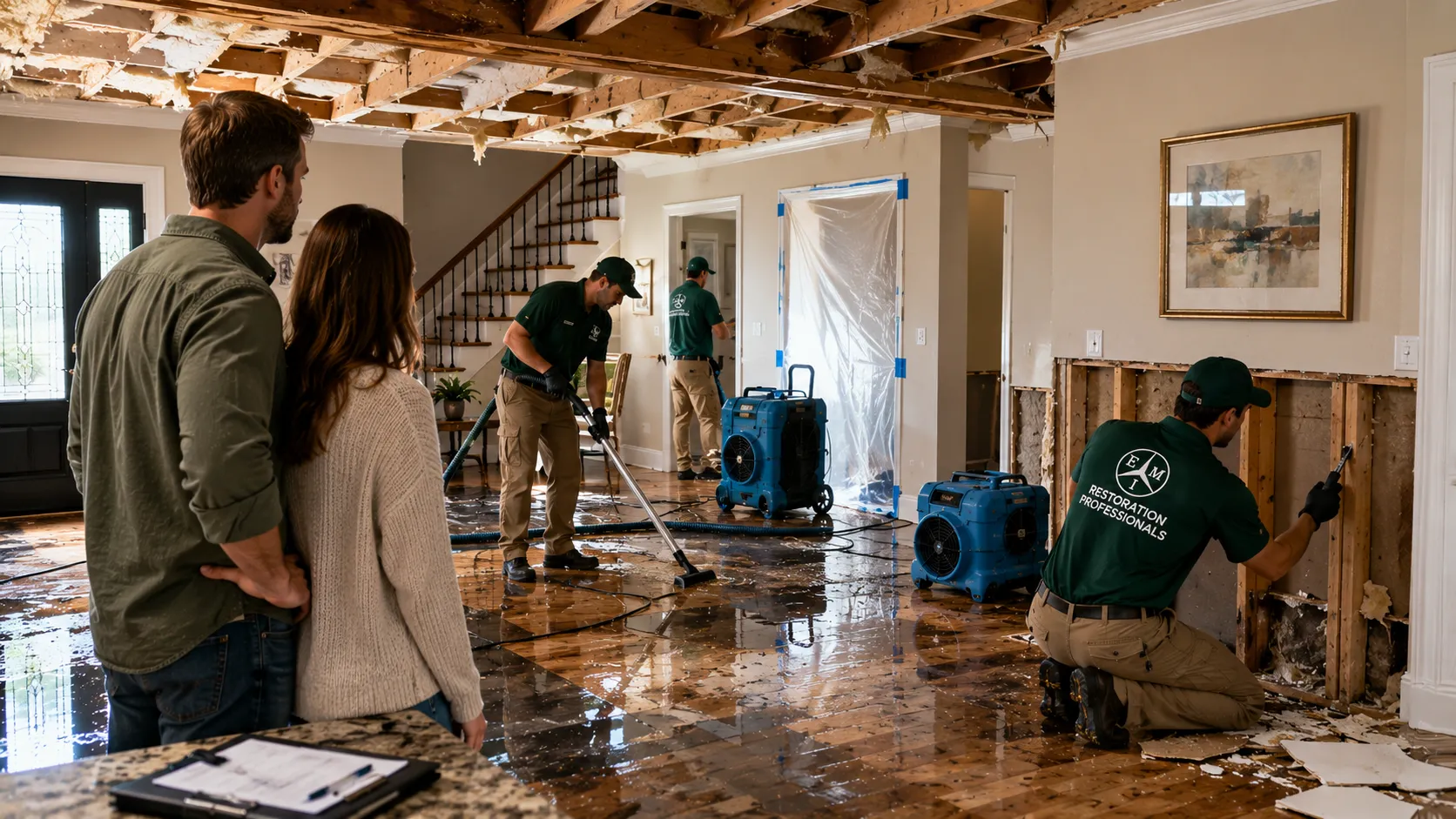
Water is uniquely destructive because it migrates rapidly through capillary action. It wicks up drywall, saturates insulation, and seeps beneath flooring systems. Consequently, the window for effective mitigation is incredibly narrow. Within the first hour, moisture penetrates porous materials. Furthermore, within 24 hours, microbial amplification begins. Therefore, delaying the call to a restoration contractor exponentially increases the scope of work and the final bill.
In Tulsa, the combination of high seasonal humidity and expansive clay soils creates a perfect storm for secondary damage. The clay expands when wet, exerting immense pressure on foundation walls. As a result, what starts as a plumbing leak can evolve into structural foundation shifting if the surrounding soil remains saturated. Immediate extraction and dehumidification are not optional; they are structural necessities.
The Science of Water Classification and Contamination
Not all water damage is created equal. The Institute of Inspection, Cleaning and Restoration Certification (IICRC) categorizes water based on contamination levels. This classification dictates the safety protocols, personal protective equipment (PPE), and disposal requirements for your project.
Category 1: Clean Water
This originates from a sanitary source like a broken supply line, sink overflow, or melting ice. It poses no substantial risk from ingestion or inhalation. However, Category 1 degrades quickly. If left untreated for 48 hours, it becomes Category 2 due to bacterial growth. Prompt drying usually saves most building materials.
Category 2: Gray Water
This contains significant contamination and potential discomfort or sickness if contacted. Sources include dishwasher discharge, washing machine overflow, or toilet bowls with urine only. Carpet padding must be removed and discarded. Furthermore, affected carpet requires hot water extraction and biocide treatment. Porous materials like drywall often need removal if saturation is deep.
Category 3: Black Water
This is grossly unsanitary, containing pathogenic agents. Sources include sewage backups, flooding from rivers (Arkansas River overflow), or standing water supporting microbial growth. This demands full PPE, containment barriers, and complete removal of all porous materials. Consequently, structural framing must be thoroughly cleaned and treated with antimicrobial agents before reconstruction begins.
The Professional Restoration Workflow: Step-by-Step
A reputable restoration firm follows a standardized, science-based process. Understanding these steps helps you vet contractors and audit their progress.
1. Emergency Contact and Rapid Dispatch
Top-tier Tulsa companies offer 24/7 emergency response. The initial call triggers a dispatch team equipped with truck-mounted extractors. They arrive typically within 60 to 90 minutes. The project manager performs a preliminary safety assessment, checking for electrical hazards and structural instability.
2. Inspection and Moisture Mapping
Technicians use infrared thermal imaging cameras and penetrating moisture meters to define the “wet envelope.” This mapping reveals hidden moisture behind walls and under subfloors that the naked eye misses. A detailed scope of work and drying plan is generated. This documentation is critical for your insurance adjuster.
3. Bulk Water Extraction
Standing water is removed using high-volume submersible pumps and truck-mounted vacuum units. This step removes 97% of the moisture load. It is physically the most efficient way to dry a structure. Skipping thorough extraction to jump straight to dehumidification adds days to the drying time.
4. Controlled Demolition and Material Removal
Non-salvageable materials are removed. This includes saturated carpet pad, wet insulation, and drywall cut at the “flood line” (usually 2 feet above the visible water mark). For Category 3 events, removal extends higher. This “flood cut” allows airflow into wall cavities for structural drying.
5. Structural Drying and Dehumidification
High-velocity air movers and low-grain refrigerant (LGR) dehumidifiers are placed strategically based on psychrometric calculations. The goal is to lower the specific humidity of the air, creating a vapor pressure differential that pulls moisture from wood studs and concrete. Technicians monitor progress daily, adjusting equipment to hit drying goals (typically < 16% moisture content for wood).
6. Cleaning, Sanitizing, and Odor Control
Once dry, HEPA vacuuming removes spores and dust. Antimicrobial fogging or wiping treats framing. For persistent odors, hydroxyl generators or ozone machines (used in unoccupied spaces) neutralize volatile organic compounds (VOCs). This step ensures indoor air quality returns to safe levels.
7. Reconstruction and Build-Back
The final phase replaces removed materials: new drywall, tape, texture, paint, flooring, and trim. Many full-service restoration companies handle this in-house. This eliminates the “gap” between mitigation and repair where communication often fails. A seamless transition ensures your home returns to pre-loss condition faster.
Tulsa-Specific Risk Factors Amplifying Damage
Local geography and climate create unique challenges for property owners in Green Country. Ignoring these factors leads to recurring issues.
Expansive Clay Soils and Foundation Stress
Tulsa sits on heavy montmorillonite clay. This soil swells dramatically when wet and shrinks when dry. After a major water event—whether internal plumbing or external flooding—the soil around your foundation becomes super-saturated. Consequently, hydrostatic pressure pushes against basement walls, causing bowing or horizontal cracking. Proper exterior drainage correction (French drains, grading, gutter extensions) is often a necessary part of the permanent repair, not just the interior drying.
Severe Weather and Flash Flooding
Spring storms bring torrential rainfall rates exceeding 2 inches per hour. Flash flooding overwhelms municipal storm sewers, causing sewer backups into homes through floor drains. This introduces Category 3 contamination instantly. Homes in flood plains near the Arkansas River or tributaries like Cherry Creek face elevated risk. Standard homeowners insurance excludes this; a separate NFIP flood policy is required.
Winter Freeze-Thaw Cycles
While winters are mild, hard freezes occur. Uninsulated pipes in crawl spaces or exterior walls burst when temperatures plummet. The subsequent thaw releases hundreds of gallons per hour. Winterizing hose bibs and insulating vulnerable plumbing runs is a critical preventative measure for Tulsa residents.
Navigating the Insurance Claim Maze
Filing a claim is often more stressful than the damage itself. Knowledge is your leverage.
Covered vs. Excluded Perils
Most HO-3 policies cover “sudden and accidental” discharge. A burst pipe, appliance malfunction, or ice dam backup is typically covered. However, “gradual damage” (a slow leak over months) is denied as a maintenance issue. Furthermore, “flood” (rising ground water) is universally excluded from standard policies. You need a distinct flood insurance endorsement or NFIP policy for that.
The “Duty to Mitigate” Clause
Your policy requires you to prevent further damage. If you wait three days to call a pro, the insurer may deny coverage for the mold growth that occurred during the delay. Hiring a mitigation company immediately fulfills this duty. Keep receipts for emergency tarping, board-up, or extraction services.
Working with Adjusters vs. Contractors
The insurance adjuster works for the carrier. Their scope may miss hidden moisture. Your restoration contractor works for you. They should provide detailed moisture maps, psychrometric logs, and line-item estimates in Xactimate (the industry standard pricing software). This data forces the adjuster to approve the full scope. Do not sign a “Direction to Pay” or Assignment of Benefits without legal review.
Selecting the Right Restoration Partner in Tulsa
The market is crowded with “water damage” keywords. Differentiate professionals from opportunists using these criteria.
IICRC Certification is Non-Negotiable
The Institute of Inspection, Cleaning and Restoration Certification sets the global standard. Look for firms with WRT (Water Damage Restoration Technician) and ASD (Applied Structural Drying) certifications. Ask for the technician’s card on site. A company owner having a cert is not enough; the crew doing the work must be certified.
Local Presence and References
Choose a company with a physical Tulsa address, not a storm-chasing call center. Ask for references from jobs in your specific neighborhood (Brookside, Midtown, Bixby, Broken Arrow, Owasso). Local firms understand Tulsa permitting, local code officials, and the specific soil conditions affecting your foundation.
Full-Service Capability: Mitigation to Reconstruction
Some firms only do “mitigation” (dry out and demo). They hand you a wet, gutted shell and wish you luck. Full-service general contractors handle the build-back. This single-point accountability reduces timeline friction. Verify they hold an Oklahoma General Contractor license if structural repairs are needed.
Transparent Pricing and Communication
Reputable firms explain the difference between “time and materials” emergency billing and the fixed-price reconstruction estimate. They provide daily drying logs. If a contractor refuses to show you moisture meter readings or demands full payment upfront, walk away.
Preventative Maintenance: Protecting Your Investment
The best repair is the one you never need. Implement these Tulsa-specific strategies.
Install a Smart Water Leak Detection System
Devices like Flo by Moen or Phyn Plus monitor flow rates and pressure anomalies. They auto-shutoff the main valve upon detecting a catastrophic leak. This single device can prevent a $50,000 loss while you are at work or on vacation. Many insurers offer premium discounts for installation.
Maintain Sump Pumps and Backup Power
If you have a basement or crawl space, a primary sump pump is essential. A battery backup or water-powered backup is mandatory because power outages accompany the storms that cause flooding. Test the float switch quarterly.
Grade Landscaping Away from Foundation
Ensure soil slopes 6 inches over the first 10 feet. Extend downspouts 6 to 10 feet from the house. In Tulsa’s clay, water pooling near the foundation guarantees hydrostatic pressure issues. Consider a perimeter French drain system if grading alone fails.
Annual Plumbing Inspection
Have a licensed plumber inspect supply lines, water heater anode rods, and washing machine hoses annually. Replace rubber hoses with braided stainless steel. Check the water heater age; tanks over 10 years are failure risks.
Health Implications of Incomplete Drying
Cutting corners on drying creates a “sick building.” Mold spores are ubiquitous; they only need moisture and a food source (paper-faced drywall, dust).
Mold Colonization Timelines
Aspergillus and Penicillium colonize in 48–72 hours. Stachybotrys (black mold) requires sustained saturation (7–10 days) but produces potent mycotoxins. Symptoms of exposure include respiratory distress, cognitive fatigue, and immune suppression. Children, elderly, and immunocompromised individuals face the highest risk.
Post-Remediation Verification (PRV)
Never rely on the restoration company’s own word that it is “dry.” Hire an independent Indoor Environmental Professional (IEP) or Certified Industrial Hygienist (CIH) for clearance testing. They perform air sampling (spore traps) and surface sampling. A passing PRV report is your certificate of health for future resale.
Cost Expectations for Tulsa Homeowners
Costs vary wildly based on category, affected square footage, and materials. However, rough benchmarks help budgeting.
- Category 1 Mitigation Only (500 sq ft): $3,500 – $6,000.
- Category 2 Mitigation + Pad Replacement: $5,000 – $9,000.
- Category 3 Full Gut & Sanitize (Bathroom): $8,000 – $15,000+.
- Reconstruction (Build-Back): $50 – $150+ per sq ft depending on finishes.
- Foundation Repair (if clay heave occurred): $5,000 – $25,000+.
Insurance typically covers mitigation and restoration to “like kind and quality.” Upgrades (e.g., replacing carpet with hardwood) are out-of-pocket “betterment” costs.
Immediate Action Checklist: The First 60 Minutes
If you discover water damage right now, execute this sequence before the pros arrive.
- Safety First: Shut off electricity to affected areas at the breaker panel if safe to reach. Do not walk through standing water if outlets are submerged.
- Stop the Source: Locate the main water shut-off valve (usually near the meter in the front yard or garage). Turn it clockwise. If it’s a fixture leak, use the local angle stop.
- Protect Contents: Move furniture, rugs, and valuables to dry areas. Place aluminum foil or wood blocks under furniture legs to prevent staining wet carpet.
- Document Everything: Shoot video and photos of the source, the spread, and damaged items. Narrate the video with date/time and description.
- Call a Certified Pro: Contact an IICRC firm immediately. Do not wait for the adjuster to “approve” mitigation. Mitigation is an emergency service authorized under your duty to mitigate.
- Ventilate (If Safe): Open windows if outdoor humidity is lower than indoor (check weather app). Run bathroom exhaust fans. Do not use central HVAC if ducts are wet—it spreads spores.
Frequently Asked Questions
How long does professional water damage repair take in Tulsa?
Mitigation (drying) typically takes 3 to 5 days for standard Category 1 or 2 losses. Category 3 or complex structural drying can take 7 to 10 days. Reconstruction (build-back) adds 2 to 6 weeks depending on material lead times and contractor scheduling. Tulsa’s high humidity summer months can extend drying times by 24–48 hours compared to arid climates.
Does homeowners insurance cover mold remediation after water damage?
It depends on the cause. If mold results from a covered sudden loss (burst pipe) and you mitigated promptly, the resulting mold removal is usually covered under the same claim. However, most policies cap mold coverage at $5,000–$10,000 unless you purchased an endorsement. Mold from long-term leaks, humidity neglect, or flooding is excluded.
Can I stay in my home during the drying process?
For Category 1 losses affecting limited areas, yes. For Category 2 or 3, or if containment barriers isolate large sections, temporary relocation is advised. Industrial dehumidifiers and air movers generate significant noise (60–70 dB) and heat. Furthermore, containment areas under negative pressure may affect indoor air quality in adjacent rooms. Your contractor and adjuster often approve “Loss of Use” coverage for hotel stays.
What is the difference between water mitigation and water restoration?
Mitigation is the emergency phase: extraction, demolition of ruined materials, drying, and sanitizing. It stops the damage. Restoration (or reconstruction) is the rebuild phase: replacing drywall, flooring, cabinets, paint, and trim to return the home to pre-loss condition. Some companies only do mitigation; full-service firms handle both seamlessly.
How do I prevent frozen pipe bursts in Tulsa winters?
Insulate exposed pipes in crawl spaces, attics, and exterior walls with foam sleeves. Disconnect garden hoses and install insulated faucet covers on hose bibs. Keep garage doors closed if supply lines run there. During deep freezes (< 20°F), let faucets drip slowly to relieve pressure. Consider a whole-house leak detection system with auto-shutoff for ultimate protection.
Don’t Let Water Win. Restore Your Peace of Mind Today.
Every hour of delay increases repair costs and health risks. Connect with Tulsa’s leading IICRC-certified restoration specialists for a rapid, no-obligation moisture assessment.
Call 24/7 Emergency Line: (918) 268-5526
Licensed • Bonded • Insured | Serving Tulsa, Broken Arrow, Bixby, Owasso & Jenks
Helpful resources: For more information, see EPA guidelines on mold and FEMA disaster recovery resources.