
Mold allergy symptoms in Tulsa often show up as sneezing, itchy eyes, congestion, and coughing that will not quit. Tulsa’s long humid season gives mold plenty of chances to grow indoors and out. This guide lists 7 signs your symptoms may be linked to mold, explains how mold allergy differs from a cold, and tells you what steps to take next. Note: this article is for information only. It is not medical advice. See your doctor about any ongoing health concerns. This guide covers mold allergy symptoms tulsa in detail.
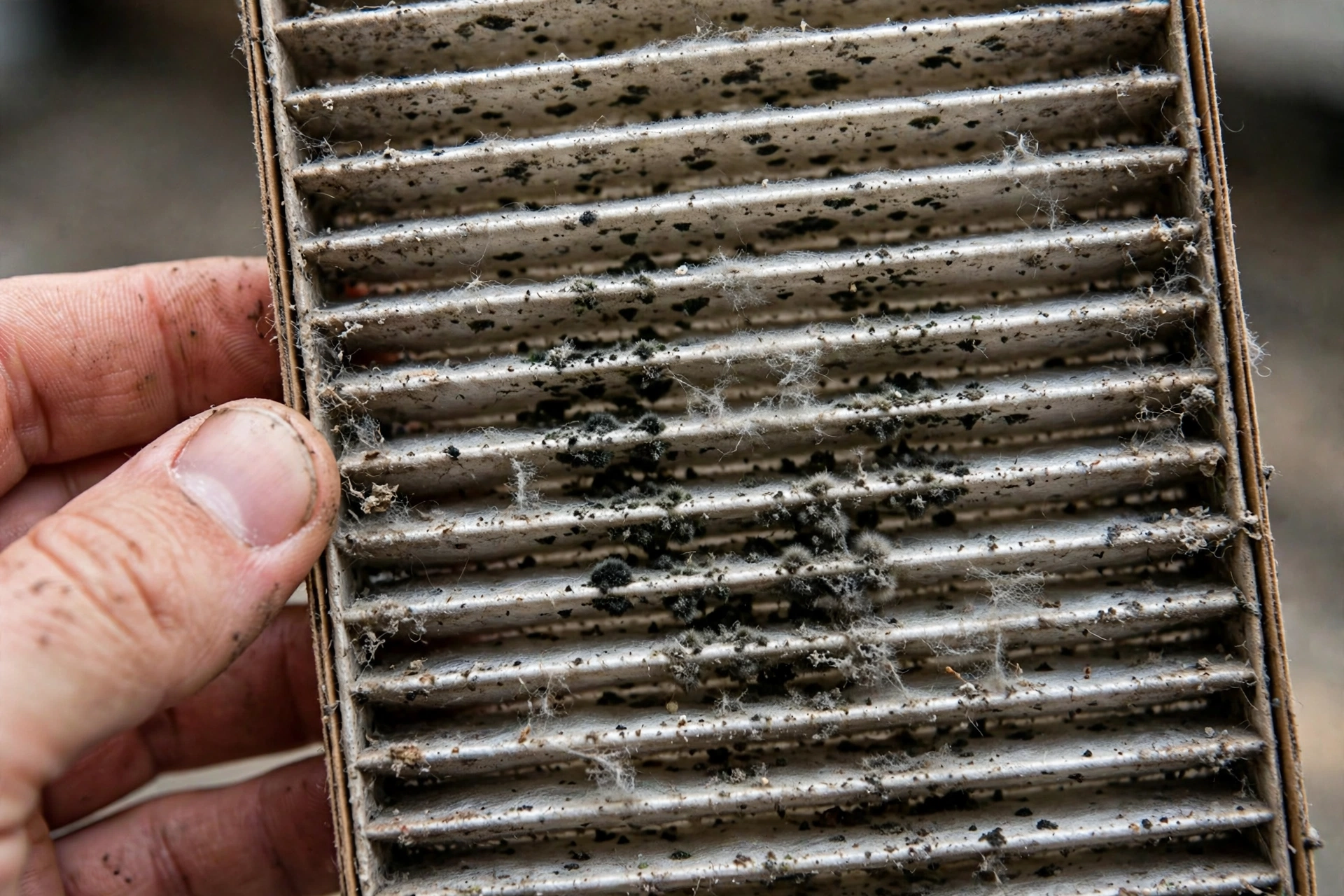
What Do Mold Allergy Symptoms Feel Like?
A mold allergy happens when your immune system reacts to mold spores in the air. The reaction looks a lot like hay fever. Common complaints include sneezing fits, a runny or stuffy nose, itchy or watery eyes, and an itchy throat. Some people also get skin rashes or headaches.
Symptoms can be seasonal or year-round. Outdoor mold peaks in damp months. Indoor mold can bother you any time of year, especially in humid rooms like bathrooms and basements. People with asthma may notice more wheezing or tightness in the chest when mold exposure rises.
7 Signs Your Symptoms May Be Linked to Mold
Sign 1: Symptoms flare in damp rooms
If sneezing or congestion gets worse in the bathroom, basement, or laundry room, mold in those damp spaces may be a trigger. Dry rooms that cause no trouble point toward a moisture-linked cause.
Sign 2: You feel better away from home
Symptoms that ease at work or on vacation and return when you walk through your front door can be linked to something in the home environment. Mold is one common suspect worth checking.
Sign 3: A musty smell comes with the symptoms
Musty odor means mold is growing nearby. If the smell and your symptoms show up in the same room, that room deserves a mold check.
Sign 4: Your “cold” never ends
Colds usually clear in 7 to 10 days. Allergy-like symptoms that drag on for weeks, with no fever, look more like an ongoing trigger than a virus. Mold exposure fits that pattern.
Sign 5: Symptoms spike after rain or storms
Tulsa storms raise both outdoor and indoor mold levels. Dampness seeps into homes, and spores multiply. If your symptoms reliably worsen after wet weather, mold may be involved.
Sign 6: Itchy eyes and throat together
Itchiness is a hallmark of allergy. Colds tend to bring more sore throat and body aches. When itchy eyes, itchy nose, and sneezing arrive as a package, an allergen like mold is a likely trigger.
Sign 7: Asthma feels harder to control
People with asthma may find their symptoms harder to manage in moldy environments. Increased wheezing, coughing at night, or needing a rescue inhaler more often are reasons to talk to a doctor and check the home for mold.
When dealing with mold allergy symptoms tulsa, professional help makes the process faster and safer.
Mold Allergy Symptoms vs Other Common Causes
Many things cause similar symptoms. This table helps you compare:
| Symptom | May be linked to mold when | Other common causes |
|---|---|---|
| Sneezing and runny nose | Worse in damp rooms or after rain | Common cold, dust, pet dander, pollen |
| Itchy, watery eyes | Comes with musty smells at home | Seasonal pollen, dust mites |
| Stuffy nose for weeks | No fever and no end in sight | Sinus issues, dust exposure |
| Coughing, wheezing | Worse at night or in basements | Asthma triggers, colds, dust |
| Skin rash or itching | Appears after time in a damp area | Detergents, fabrics, other allergens |
| Headache and fatigue | Paired with other allergy signs | Many causes; see a doctor |
Mold Allergy vs a Cold: How to Tell the Difference
- Duration: Colds end in about a week. Mold allergy symptoms can last for months.
- Fever: Colds may bring a low fever. Allergies do not cause fever.
- Itch factor: Itchy eyes and nose point to allergy. Colds bring more aching and sore throat.
- Mucus: Allergy mucus is usually clear and thin. Cold mucus often thickens and changes color.
- Timing: Symptoms tied to places, weather, or seasons suggest an environmental trigger like mold.
Only a doctor or allergist can confirm what is causing your symptoms. Allergy testing can identify specific triggers, including mold.
What to Do If You Suspect Mold Is Making You Sick
Take it step by step. There is no need to panic, but do not ignore ongoing symptoms either.
- See your doctor first. Describe your symptoms and when they occur. Ask whether allergy testing makes sense for you.
- Track your symptoms. Note where you are and what the weather is like when symptoms flare. Patterns help both your doctor and a mold inspector.
- Check your home for mold. Look in bathrooms, under sinks, around windows, in basements, and anywhere you smell mustiness.
- Cut indoor humidity. Keep it between 30 and 50 percent. Run exhaust fans and fix leaks promptly.
- Call a professional if you find a real problem. Large patches, hidden growth, or recurring mold need proper removal and drying.
Many Tulsa homeowners searching for mold allergy symptoms tulsa want to know what to expect.
How Reducing Home Mold May Help
Removing mold from your home may reduce one source of indoor allergens. Many people report feeling better once damp, musty areas are cleaned and dried. That said, no one can promise symptom relief from mold removal alone, because allergies have many triggers. Think of mold removal as one sensible step alongside medical care, not a replacement for it.
Mold Allergy Symptoms Tulsa: Quick Answers
Can mold allergy develop suddenly in adults? Yes. People can become sensitive to mold at any age, even with no allergy history. A move to a damper home or a water damage event sometimes triggers new symptoms. A doctor can help sort out the cause.
Are children more affected by mold? Children breathe more air relative to their body size, and their airways are still developing. Parents often notice allergy-like symptoms in kids first. If your child has ongoing sneezing or congestion at home, talk to your pediatrician.
Can air purifiers help with mold allergy symptoms? A HEPA air purifier may reduce airborne spores in one room. It helps as a supporting step, but it cannot fix mold growing inside walls or under floors. Source removal matters most.
When should I see a doctor urgently? Seek prompt care for wheezing, shortness of breath, chest tightness, or any severe reaction. For ongoing mild symptoms, book a regular appointment and mention the mold concern.
Key Takeaways
- Mold allergy symptoms look like hay fever: sneezing, itchy eyes, congestion
- Symptoms tied to damp rooms, rain, or time at home may be linked to mold
- Only a doctor can diagnose an allergy; testing can confirm triggers
- Lowering indoor mold and humidity is a practical step that may help
Mold allergy symptoms in Tulsa deserve attention when they linger or follow a pattern. See your doctor about your health, and check your home for the mold that may be feeding the problem. If you find mold that is too big or too hidden to handle yourself, EMI Mold Removal Tulsa OK is open 24 hours with emergency service 24/7. Call (918) 268-5526 for a quote and breathe easier at home.
Helpful resources: For more information, see EPA guidelines on mold.