
Mold in midtown Tulsa historic homes is common, and it has a clear cause. Older houses in Midtown often have aging pipes, old crawl spaces, and little ventilation. Add Tulsa humidity, and mold has what it needs to grow. The good news is that most cases can be fixed when you find the moisture source and act early. This guide gives you seven practical fix tips for historic homes in Midtown Tulsa, plus advice on when to call a professional. EMI Mold Removal Tulsa OK is open 24 hours and offers emergency service around the clock.
Why Does Mold in Midtown Tulsa Historic Homes Grow So Often?
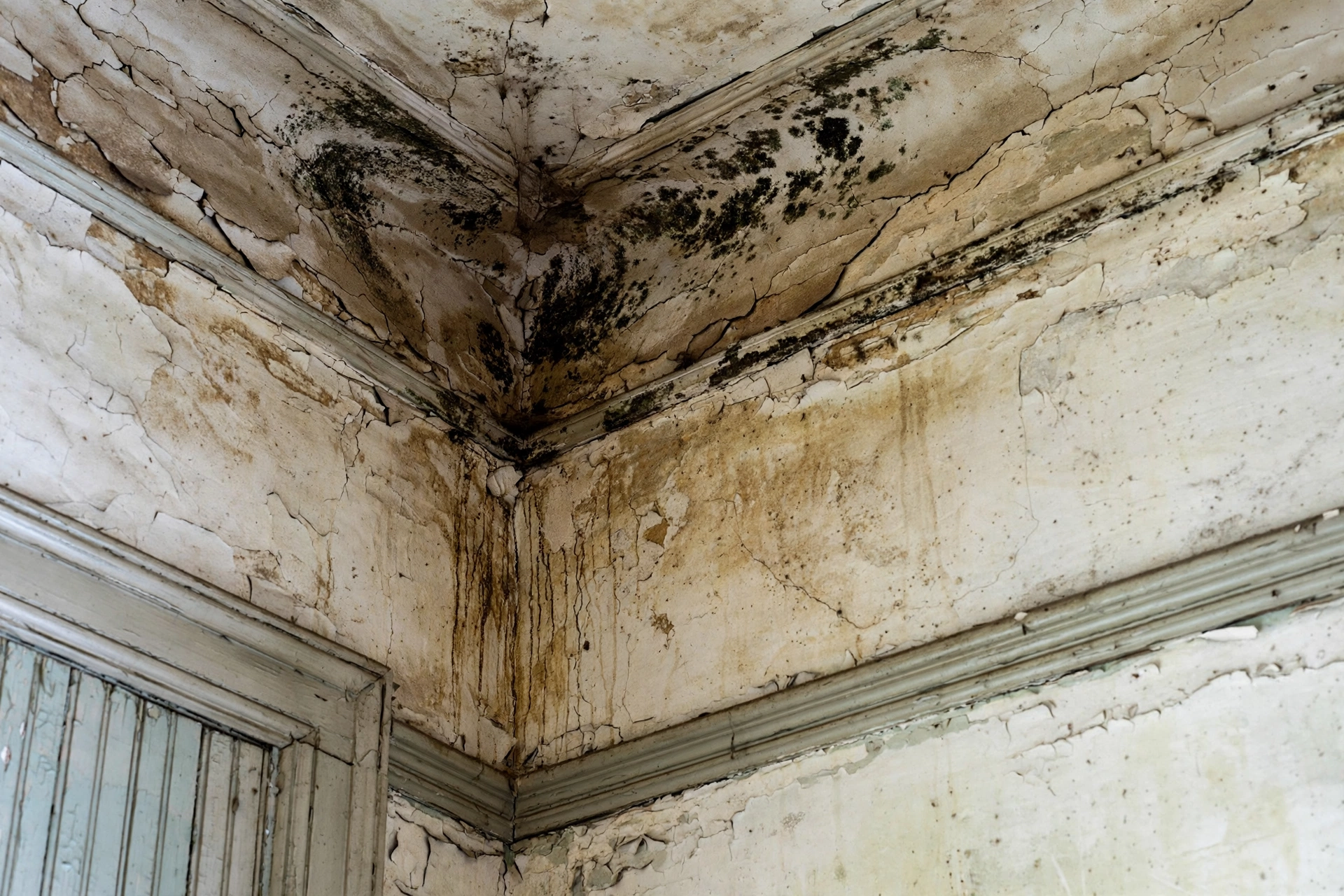
Midtown Tulsa has many beautiful historic homes. Areas like Maple Ridge, Swan Lake, and Florence Park have houses that are 80 to 100 years old. These homes were built before modern moisture control existed. Old foundations can let ground moisture seep in. Original plaster walls can hide water damage for months. Slow plumbing leaks are common in aging pipes. Crawl spaces under old homes often trap humid air with no way out. All of this creates the damp, dark spots where mold thrives. Tulsa summers are also humid, which makes the problem worse.
Common spots where mold hides in historic homes
- Basements and cellars with stone or block walls
- Crawl spaces with bare soil or poor covering
- Bathrooms without exhaust fans
- Kitchens behind old cabinets and under sinks
- Attics where roof leaks go unnoticed
- Laundry rooms with old washer connections
Tip 1: Find the Moisture Source First
Every mold problem is really a moisture problem. Scrubbing the mold without fixing the water source is like mopping a floor while the faucet still runs. Check for leaking pipes, dripping faucets, and water stains on ceilings. Walk around the outside of your home and look at the grading. Soil should slope away from the foundation so rainwater drains off. Look at gutters and downspouts too. In historic homes, clogged or broken gutters are a top cause of basement moisture. Fix the leak or drainage issue before you do anything else.
When dealing with mold in midtown tulsa historic homes, professional help makes the process faster and safer.
Tip 2: Handle Small Surface Mold Yourself the Safe Way
Small patches of mold on hard, non-porous surfaces can often be cleaned by a homeowner. Think of a small spot on bathroom tile or a metal window frame. Wear gloves, a mask, and eye protection. Open a window for airflow. Scrub the area with soap and water, then dry it fully. A dry surface is key because leftover moisture invites mold back. However, if the patch is larger than about 10 square feet, or if it keeps coming back, stop and call a professional. Large or returning mold often means a hidden water source you cannot see.
Tip 3: Never Ignore Mold in Crawl Spaces and Basements
Crawl spaces in historic Midtown homes are one of the biggest mold trouble spots. Many have dirt floors, old wood beams, and no vapor barrier. Moist air rises from the ground and feeds mold on floor joists and insulation. Signs of trouble include a musty smell in the house, sagging insulation, and wood that looks dark or soft. Do not seal the vents shut without a plan, because that can trap even more moisture. A professional inspection can tell you whether you need a vapor barrier, better drainage, or targeted remediation.
Tip 4: Improve Ventilation in Kitchens and Bathrooms
Many historic homes lack exhaust fans, or the fans vent into the attic instead of outside. Steam from showers and cooking adds a lot of moisture to indoor air. Run the bathroom fan during showers and for 20 minutes after. If your home has no fan, opening a window helps. In the kitchen, use the range hood when cooking. Keep indoor humidity between 30 and 50 percent. A simple humidity meter costs little and tells you a lot. If readings stay above 60 percent, you may need a dehumidifier in damp rooms.
Many Tulsa homeowners searching for mold in midtown tulsa historic homes want to know what to expect.
Tip 5: Know When DIY Is Not Enough
There are times when cleaning it yourself is the wrong call. Call a professional when mold covers a large area, when it grows inside walls or under floors, or when it returns after cleaning. Also call for help if anyone in the home has breathing problems or allergies that seem worse indoors. Mold exposure may cause irritation or allergy symptoms in sensitive people, so take repeated growth seriously. Historic homes often hide mold behind plaster and lath walls where you cannot reach it. Professional remediation removes the mold and addresses the moisture so it does not come back.
Tip 6: Watch for Hidden Leaks After Storms
Tulsa storms can push rain into places you do not expect. Old roofs, worn flashing, and cracked window seals let water in slowly. After heavy rain, walk through your attic and basement with a flashlight. Look for wet spots, stains, or a new musty smell. Check the ceiling below bathrooms for discoloration. Catching a small leak early can save you from a major mold problem later. Historic roofs and old plumbing need regular checks, so make storm follow-ups a habit.
Tip 7: Get a Professional Mold Inspection
A professional mold inspection tells you exactly what you are dealing with. An inspector checks moisture levels, looks in hidden areas, and finds the source of the problem. This matters in historic homes because mold often hides in walls, under floors, and in crawl spaces. EMI Mold Removal Tulsa OK serves Midtown Tulsa and is open 24 hours with 24/7 emergency service. For pricing, call for a quote, since every home and situation is different.
Understanding mold in midtown tulsa historic homes helps you make better decisions for your home.
Mold in Midtown Tulsa Historic Homes: DIY vs Professional Help
| Situation | DIY Cleaning May Be OK | Call a Professional |
|---|---|---|
| Small spot on tile or glass (under 10 sq ft) | Yes, with gloves and mask | If it returns after cleaning |
| Mold on drywall or wood | No, porous materials need proper removal | Yes |
| Musty smell but no visible mold | Hard to fix without finding the source | Yes, get an inspection |
| Mold in crawl space or basement | No, moisture control is needed | Yes |
| After a flood or major leak | No, hidden damage is likely | Yes |
Key Takeaways for Midtown Homeowners
- Fix the moisture source first. Cleaning mold without stopping the water is wasted effort.
- Small surface spots can be cleaned safely with soap, water, and protective gear.
- Crawl spaces, basements, and bathrooms are the top risk areas in historic homes.
- Keep indoor humidity between 30 and 50 percent.
- Large, hidden, or returning mold needs professional remediation.
- Check your home after storms for new leaks and stains.
Helpful resources: For more information, see EPA guidelines on mold.
Conclusion
Mold in midtown Tulsa historic homes is a fixable problem when you act early and address the moisture behind it. Start by finding leaks, improve ventilation, and keep humidity in check. Clean small surface spots safely, but call professionals for large, hidden, or returning growth. If you need help, EMI Mold Removal Tulsa OK is open 24 hours with 24/7 emergency service. Call (918) 268-5526 for a quote and to schedule an inspection.