
Basement mold removal Tulsa homeowners need starts with understanding one fact: basements are below ground, and ground means moisture. Hydrostatic pressure pushes water through foundation walls, summer humidity condenses on cool concrete, and sump pump failures flood floors without warning. This guide covers six effective steps for removing basement mold in Tulsa homes and keeping it from returning.
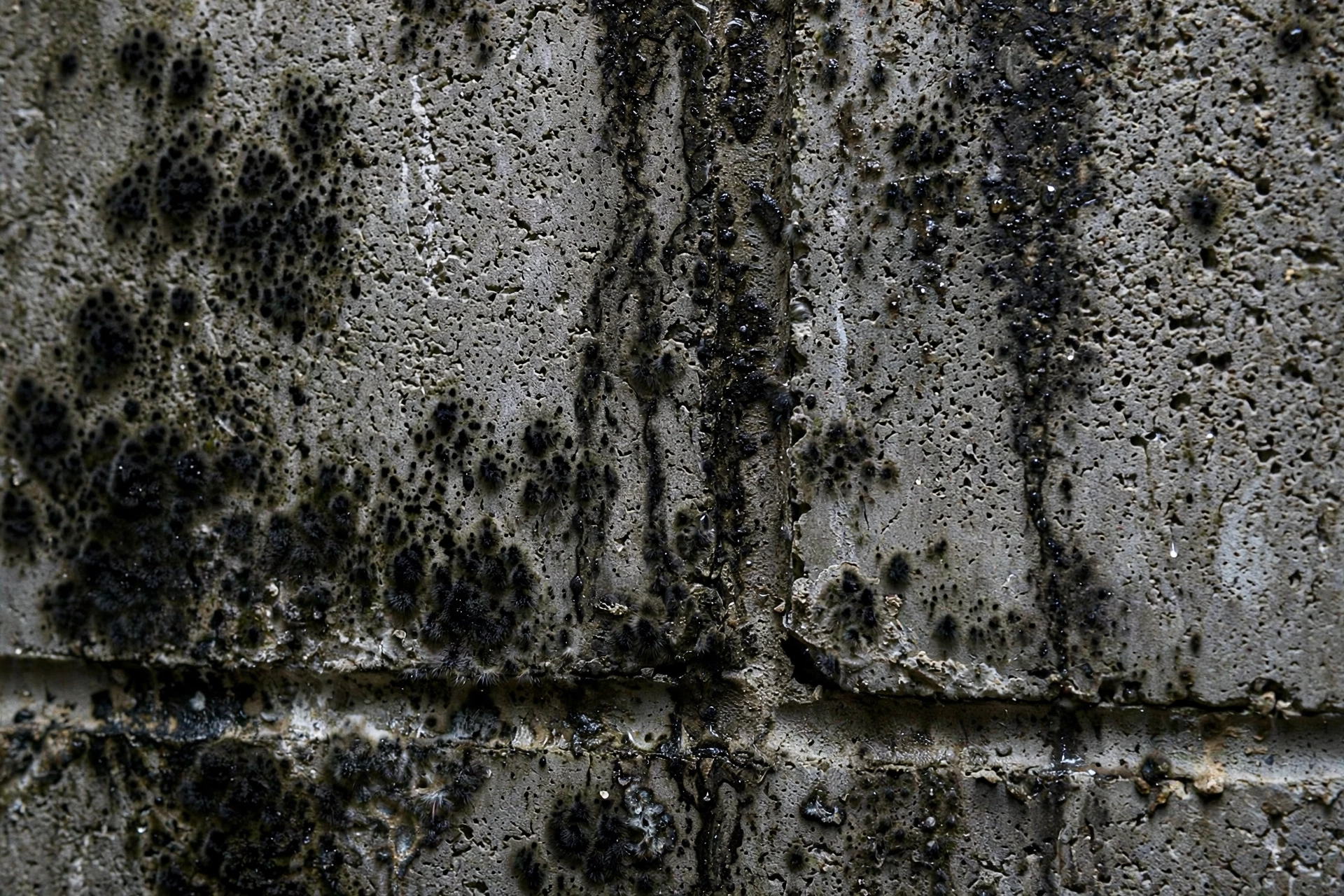
Why Tulsa Basements Are Mold Magnets
Basements face moisture from every direction. Rainwater pools against foundations when grading slopes the wrong way or gutters dump too close to the house. Groundwater rises through the water table after heavy Oklahoma storms. Concrete walls and floors are porous, so they wick moisture inward even without visible leaks. And because basement air is cooler, humid summer air condenses on walls and pipes like a cold drink sweating on a hot day.
Finished basements add risk. Drywall, carpet, and wood framing give mold abundant food. Once mold gets behind finished walls, it can spread for months before anyone notices a smell or stain. Unfinished basements show problems sooner, but stored boxes, fabrics, and furniture still feed mold happily.
Basement Mold Removal Tulsa: 6 Effective Steps
Step 1: Find Every Moisture Source
A thorough inspection comes first. The technician checks foundation walls for cracks and seepage, tests the sump pump, looks at grading and gutter discharge outside, and uses moisture meters on walls and floors. Common Tulsa culprits include failed exterior waterproofing, clogged perimeter drains, condensation on cold water pipes, and groundwater rising through floor cracks. Every source must be identified, because mold removal without moisture repair is temporary.
Step 2: Stop the Water
Active water intrusion gets fixed before cleanup begins. That may mean regrading soil away from the foundation, extending downspouts at least six feet from the house, sealing foundation cracks, repairing the sump pump, or installing an interior drain system. This step is not glamorous, but it is the difference between a lasting fix and a repeat job next spring.
Step 3: Set Up Containment and Air Filtration
The affected basement area is sealed with plastic sheeting to keep spores from traveling upstairs through the HVAC system and stairwells. HEPA air scrubbers run continuously to capture airborne spores during the work. Basements often share air with the whole house, so this protection matters even more than in other rooms.
Step 4: Remove What Cannot Be Saved
Porous materials with mold growth are removed, not cleaned. That typically includes moldy drywall, insulation, carpet, and carpet padding. Mold roots penetrate these materials completely, so surface cleaning leaves the problem alive inside. Affected sections are cut out with clean margins, bagged, and removed from the home. Concrete and block walls, which are not food for mold but can harbor surface growth, are scrubbed and treated.
Step 4b: Clean and Treat Salvageable Surfaces
Concrete walls and floors get a thorough HEPA vacuuming followed by scrubbing with antimicrobial cleaners. Efflorescence, the white mineral crust that often appears on damp concrete, is brushed off because it signals ongoing moisture. Wood framing is treated with antimicrobial solutions. The goal is a basement with no visible mold, no musty smell, and no active moisture.
Step 5: Dry Everything Thoroughly
Industrial dehumidifiers and air movers run until moisture readings in walls and air return to normal. Basements dry slowly because they get little natural airflow, so this phase can take several days. Moisture meters verify the results. Skipping or rushing drying is one of the top reasons basement mold returns.
Step 6: Waterproof and Prevent
The final step protects your investment. Interior or exterior waterproofing addresses chronic seepage. A quality dehumidifier sized for the basement keeps humidity below 50 percent year-round. Any rebuilt walls use mold-resistant drywall. Stored items go into plastic bins instead of cardboard boxes. These measures turn a damp basement into a dry, usable space.
Basement Mold Sources and Fixes at a Glance
| Moisture source | Warning signs | How it is fixed |
|---|---|---|
| Foundation cracks | Water stains, seepage after rain | Crack injection, exterior sealing |
| Poor grading | Pooling water near foundation | Regrade soil away from house |
| Short downspouts | Erosion lines, damp corners | Extend downspouts 6+ feet out |
| Sump pump failure | Standing water, pump alarm | Repair or replace pump |
| Condensation | Sweating pipes and walls | Insulate pipes, dehumidify |
| Plumbing leaks | Damp spots, musty smell | Pipe repair |
Finished vs Unfinished Basements: Different Challenges
Finished basements hide mold longer but cost more to remediate because drywall and flooring must be opened or removed. The upside is that a proper rebuild with mold-resistant materials and good waterproofing leaves you with a healthier space. Unfinished basements show problems early, which keeps remediation simpler and cheaper, but stored belongings often need cleaning or disposal. Either way, the six steps above apply. The difference is how much demolition the hidden growth requires.
What Basement Mold Removal Costs Depend On
- Size of the affected area: a single wall costs far less than a full basement.
- Finished vs unfinished: finished spaces need demolition and rebuilding.
- Waterproofing needs: crack repair, drainage, or sump work adds to the project.
- Material replacement: drywall, insulation, carpet, and trim add up.
- Ongoing prevention: dehumidifiers and waterproofing coatings are investments against recurrence.
Every basement is different, so we give exact quotes by phone after hearing about your situation. Call for a quote and get fair, clear pricing before any work begins.
Helpful resources: For more information, see EPA guidelines on mold.
Conclusion: A Dry Basement Is a Healthy Basement
Basement mold removal Tulsa done right follows all six steps: find the moisture, stop the water, contain the area, remove ruined materials, dry thoroughly, and waterproof for the future. Skip the moisture repair and the mold will be back with the next heavy rain. A dry basement is not just more comfortable, it protects your home’s structure and your family’s air quality.
For basement mold removal Tulsa done completely, EMI Mold Removal Tulsa OK handles basement mold across the Tulsa metro, from inspection and water intrusion fixes through full remediation and prevention. Call (918) 268-5526 any time. We are open 24 hours with emergency service 24/7.