Can mold make you sick? The short answer is yes, mold exposure may cause health problems in some people, especially those with allergies, asthma, or weak immune systems. But not everyone reacts the same way, and not every mold is equally risky. This guide gives you six honest health facts about mold, based on what health agencies actually say, so you can protect your family without panic.
The Short Answer
Yes, mold can make you sick. The most common problems are allergy-like symptoms: sneezing, runny nose, itchy eyes, coughing, and skin irritation. People with asthma may have worse flare-ups around mold. A smaller group, such as people with severely weak immune systems, can develop more serious lung infections from certain molds. For most healthy adults, mold is a nuisance and an allergy trigger rather than a deadly threat. That honest middle ground matters, because both extremes, “mold will kill you” and “mold is harmless,” are wrong.
Can Mold Make You Sick? 6 Health Facts
1. Allergic Reactions Are the Most Common Problem
Millions of people are sensitive to mold the way others are sensitive to pollen. When they breathe mold spores, their immune system overreacts. Typical symptoms include sneezing, a stuffy or runny nose, red or watery eyes, coughing, and itchy skin. These symptoms often get worse at home and better outdoors or at work, which is a strong clue that indoor mold is the trigger.
2. Asthma and Mold Are a Bad Mix
For people with asthma, mold exposure may trigger attacks or make daily symptoms harder to control. Children with asthma are especially sensitive. Health agencies list damp indoor environments as a known asthma trigger. If someone in your Tulsa home has asthma and symptoms spike indoors, mold should be high on your suspect list, right next to dust mites and pet dander.
3. The Type of Mold Matters Less Than the Exposure
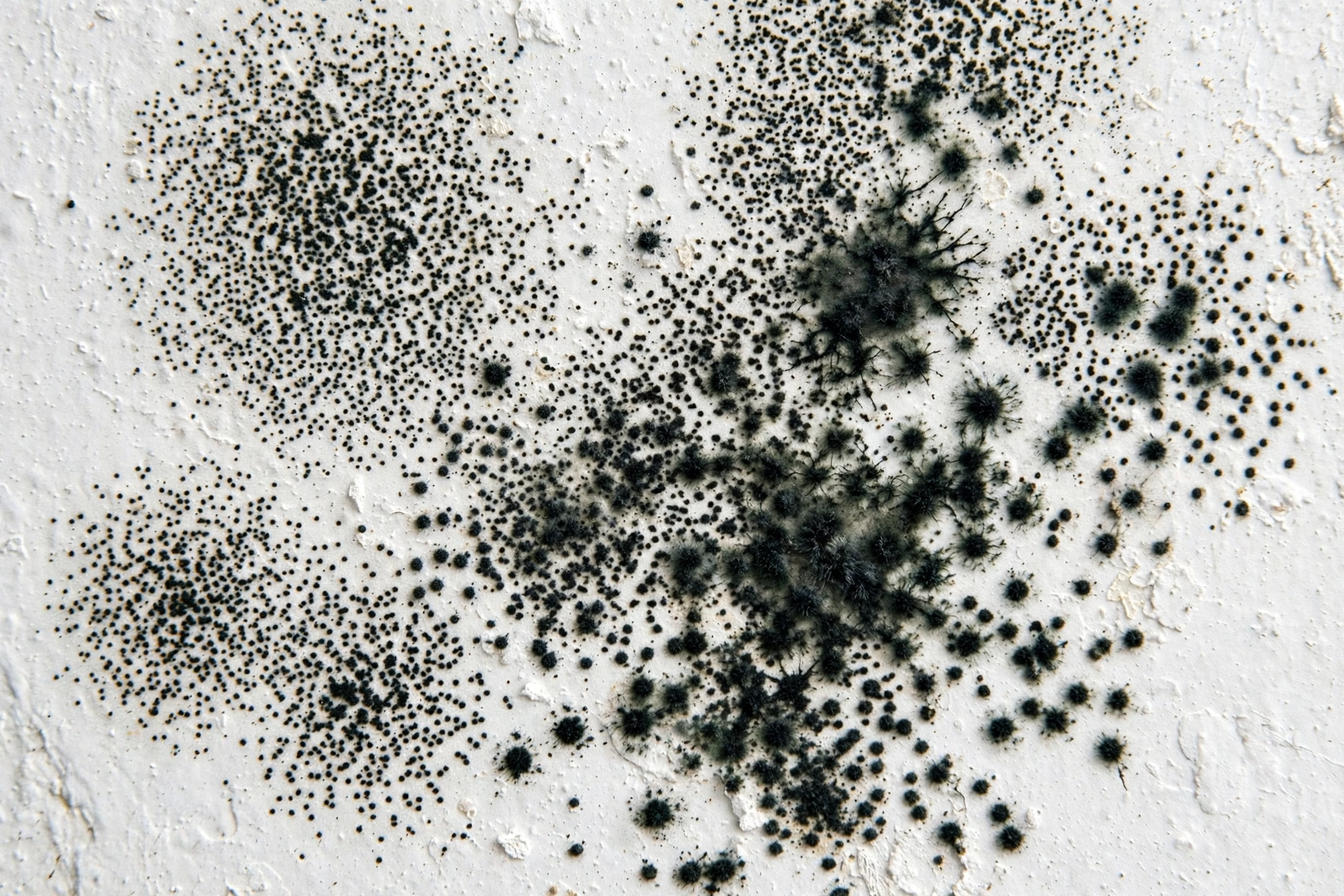
People often ask if “black mold” is the dangerous kind. The truth is more balanced. Many mold colors, including common green and white molds, can trigger allergies. One species, Stachybotrys chartarum, gets the “toxic black mold” label because it can produce compounds called mycotoxins. But health agencies note that simply seeing black-colored mold does not prove it is that species, and mycotoxin illness from homes is rare. What matters most is how much mold there is and how long you breathe it.
4. Moisture Problems Cause More Than Mold
Damp homes do not just grow mold. They also grow dust mites and bacteria, and they can release more chemical vapors from building materials. Researchers call this mix “dampness-related” health effects. So even if mold turns out to be a small part of your problem, fixing the moisture still helps your indoor air. A dry home is a healthier home, full stop.
5. Some People Are Far More Vulnerable
Healthy adults often tolerate small mold exposures with no symptoms. But risk rises for infants and young children, adults over 65, people with asthma or chronic lung disease, and people with weakened immune systems from illness or medication. If anyone in these groups lives in your home, take mold more seriously and act faster. Their margin for “wait and see” is smaller.
6. You Cannot Diagnose Mold Illness From Symptoms Alone
Sneezing and headaches have dozens of causes. Only a doctor can tell whether mold is behind your symptoms, sometimes with allergy testing. Do not rely on internet symptom lists. If you feel sick and suspect mold, see your doctor for the health side and call a mold professional for the house side. Both steps matter.
Common vs Less Common Mold-Related Symptoms
| Common symptoms | Less common but possible |
|---|---|
| Sneezing and runny nose | Ongoing sinus infections |
| Itchy, watery eyes | Shortness of breath |
| Coughing and throat irritation | Chest tightness |
| Skin rashes or itching | Lung irritation in sensitive people |
| Worse asthma control | Serious infection (rare, weak immune systems) |
Who Should Be Most Careful Around Mold?
Take extra care if your household includes:
- Children, especially those with asthma or frequent respiratory infections.
- Older adults, whose lungs and immune defenses may be weaker.
- Anyone with asthma, allergies, or chronic bronchitis.
- People with weakened immune systems, from conditions or treatments, who should avoid mold exposure entirely.
- Pregnant women, who should be cautious as a general rule and talk to their doctor about any concerns.
What Should You Do If Mold Is Making You Feel Sick?
Act on two tracks at once. First, see a doctor. Describe your symptoms, when they started, and that you suspect mold at home. A doctor may suggest allergy testing or treatment to calm your symptoms. Second, deal with the house. Find the mold, fix the moisture feeding it, and clean it up properly with containment so spores do not spread during the work.
Do not try to “tough out” a moldy home while feeling ill. And do not assume that scrubbing visible mold with bleach solves the health risk if hidden colonies remain behind walls. A professional inspection with a moisture meter finds what your eyes cannot. In Tulsa, where humidity runs high for much of the year, hidden mold behind drywall or under sinks is one of the most common surprises we find.
How to Lower Your Health Risk From Mold
Keep indoor humidity between 30 and 50 percent with ventilation and dehumidifiers where needed. Fix leaks within 24 to 48 hours, because mold can start growing that fast on wet drywall or carpet. Run bathroom exhaust fans during and after showers. Clean visible mold on hard surfaces promptly, but call professionals for areas larger than about 10 square feet or any mold inside walls, ceilings, or HVAC systems. These simple habits cut both mold growth and your exposure.
Helpful resources: For more information, see EPA guidelines on mold.
Conclusion: Take Mold Seriously, Not Fearfully
So, can mold make you sick? Yes, it may cause allergy symptoms, worsen asthma, and pose higher risks for vulnerable people. But knowledge beats fear. Now you know the six key health facts, who is most at risk, and the two-track response: see a doctor for your health, fix the home for the long term.
So can mold make you sick? Yes, it can, which is why finding and fixing mold in your home matters. If you suspect mold in your Tulsa home, EMI Mold Removal Tulsa OK can help. We find hidden mold, remove it safely with proper containment, and fix the moisture so it does not come back. Call (918) 268-5526 any time. We are open 24 hours with emergency service 24/7, because your family should not wait to breathe easier.