
When a house fire is put out, the danger does not end with the flames. Thousands of gallons of water used by firefighters can soak your walls, floors, and belongings, leaving you with two problems instead of one. If you are looking for fire and water damage restoration tulsa homeowners trust, this guide walks you through the full disaster recovery roadmap, from the first emergency call to the day your home feels like home again. You will learn exactly what happens at each step, how long each phase takes, and what you can do to protect your property while the work is underway.
What Is Fire and Water Damage Restoration?
Fire and water damage restoration is the process of cleaning up, drying out, and rebuilding a property after fire and water have damaged it together. The two types of damage often arrive as a pair. Fire burns materials and spreads soot and smoke through every room. Then the water used to fight the fire soaks into drywall, wood, carpet, and insulation. Each problem makes the other worse. Soot is acidic and can stain surfaces permanently if left sitting. Water trapped behind walls can cause wood rot and mold growth within days. A proper property restoration plan handles both at the same time, in the right order, so nothing gets missed.
Why Fire and Water Damage Often Happen Together
Most people picture fire damage as charred wood and smoke stains. In real life, the water damage is often just as severe. A single kitchen fire can lead to hundreds of gallons of water pooling on your floors. Here is why the pair shows up together:
- Fire hoses and sprinklers. Firefighters use large volumes of water to make sure the fire is fully out. Sprinkler systems can also run long after the flames stop.
- Burst pipes. Heat from a fire can weaken or burst water pipes, adding clean water damage on top of the burn damage.
- Roof and window openings. Fire breaks windows and burns through roofs. Rain can then pour in before repairs are made.
- Standing water spreads soot. Water carries ash and soot into places smoke never reached, spreading stains wider.
Because these problems feed each other, tackling only one of them is not enough. You need a fire and water damage restoration tulsa plan that treats the property as a whole.
Fire and Water Damage Restoration Tulsa: The Complete Step-by-Step Roadmap
Every recovery follows the same basic roadmap. The order matters. Drying before soot cleaning, for example, can bake stains in permanently. Here is the step-by-step process a professional fire and water damage restoration tulsa team follows.
Step 1: Emergency Response and Safety Check
The first step is making the property safe to enter. A technician checks for structural damage, exposed wiring, and gas leaks. Board-up services cover broken windows and holes in the roof so weather cannot get in. This step usually happens within hours of the fire. EMI Mold Removal Tulsa OK offers 24/7 emergency service and is open 24 hours, so help can start right away.
Step 2: Water Extraction and Structural Drying
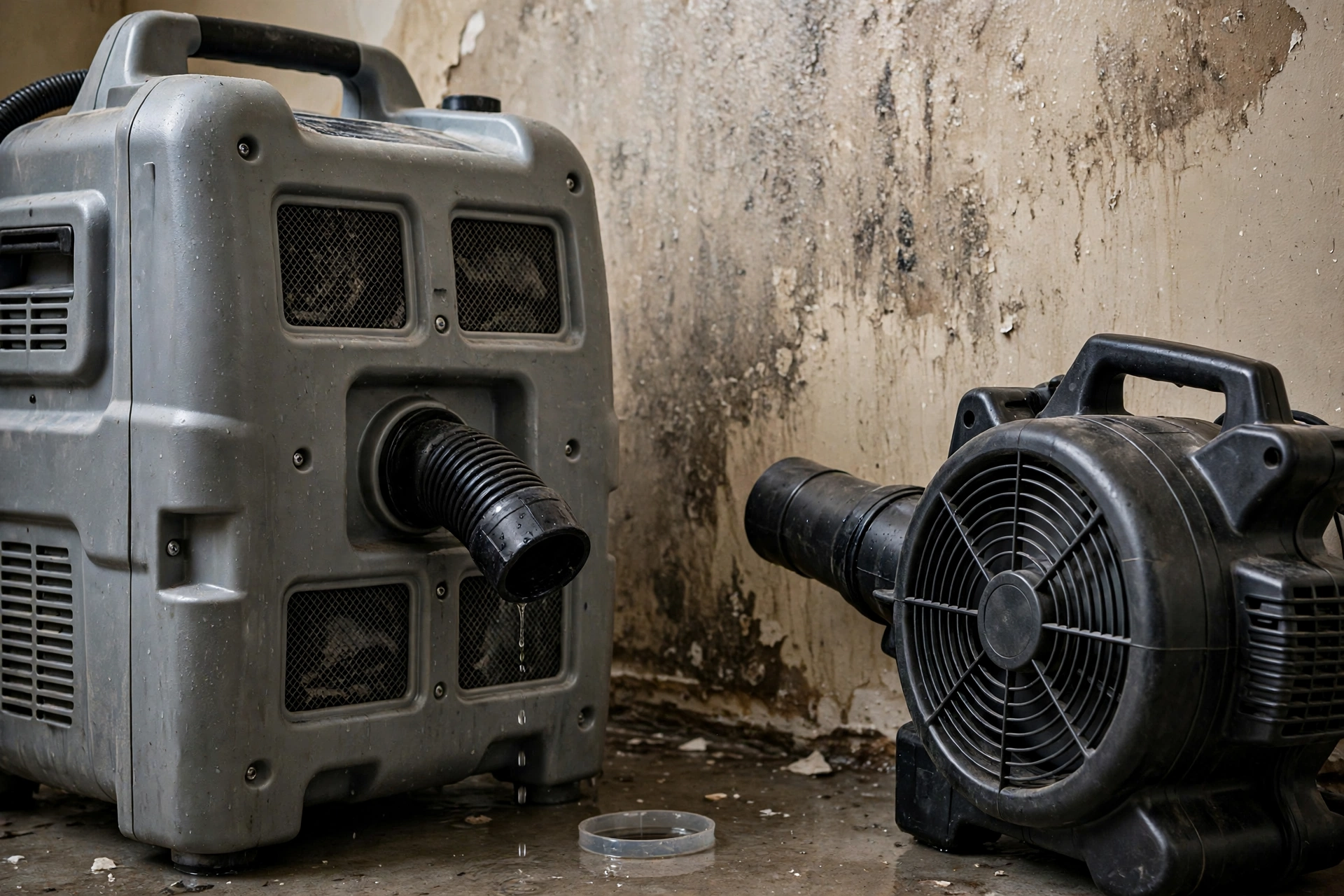
Before soot and smoke damage can be cleaned, standing water must go. Industrial pumps and wet vacuums pull water from floors and basements. Then commercial dehumidifiers and air movers dry the structure over several days. Moisture meters track hidden dampness inside walls and under floors. Skipping or rushing this step is the number one cause of mold problems after a fire. Our water damage cleanup process uses professional-grade drying equipment to pull moisture from deep inside building materials.
Step 3: Soot and Smoke Cleanup
Once the property is dry, technicians clean soot from walls, ceilings, and hard surfaces. Different types of soot need different methods. Dry soot from a fast-burning fire is vacuumed and wiped with special sponges. Wet soot from a slow, smoldering fire is oily and needs stronger cleaning agents. Smoke odor is treated with thermal fogging or ozone treatments that neutralize smells at the source. Our fire damage removal service covers this full cleanup process.
Step 4: Mold Prevention and Remediation
Fire-damaged homes are at high risk for mold. Water sits in dark, warm places behind walls and under flooring, which is exactly where mold thrives. If mold is found during drying, it is contained and removed before it spreads. The EPA guidelines on mold explain how quickly damp materials can become a mold problem.
Step 5: Demolition and Debris Removal
Materials that cannot be saved are removed during fire damage repair. This may include charred framing, soaked drywall, ruined carpet, and waterlogged insulation. During a fire and water damage restoration tulsa project, everything is documented for your insurance claim before it leaves the property. Reviewing FEMA disaster recovery resources can help you understand what documentation agencies expect after a disaster.
Step 6: Repairs and Rebuilding
Finally, skilled fire damage repair begins. New drywall goes up, flooring is replaced, and damaged areas are painted and finished. The goal is to return your home to its pre-damage condition, or better. Small jobs may take a week. Larger rebuilds can take several weeks.
How Long Does Fire and Water Damage Restoration Take in Tulsa?
There is no single answer, because every fire is different. But most fire and water damage restoration tulsa projects follow a similar timeline. The table below shows what to expect for a typical single-family home in Tulsa.
| Phase | What Happens | Typical Duration |
|---|---|---|
| Emergency response | Safety check, board-up, tarping | Same day |
| Water extraction and drying | Pumping, dehumidifiers, moisture checks | 3 to 7 days |
| Soot and smoke cleanup | Surface cleaning, odor treatment | 2 to 5 days |
| Mold remediation (if needed) | Containment and mold removal | 2 to 4 days |
| Demolition and debris removal | Removing unsalvageable materials | 2 to 5 days |
| Repairs and rebuilding | Drywall, flooring, paint, finishes | 1 to 6 weeks |
A minor kitchen fire with limited water damage may be fully resolved in two to three weeks. A large fire affecting multiple rooms can take two to three months. The drying phase cannot be rushed. Starting repairs while moisture is still trapped behind walls may lead to mold, rot, and a second round of damage.
Fire and Water Damage Restoration Tulsa: Local Challenges to Plan For
Tulsa adds a few wrinkles to the recovery process. Spring storms and heavy rain can pour through a fire-damaged roof before it is repaired, adding fresh water damage on top of the old. Summer heat and humidity slow down drying and speed up mold growth, which makes fast, professional drying even more important. Local building codes may also require permits and inspections before rebuilding begins, so working with a property restoration team that knows Tulsa regulations saves time. A solid fire and water damage restoration tulsa plan accounts for these local conditions instead of treating every job the same.
What You Can Do While Restoration Is Underway
You do not have to sit on the sidelines. A few smart moves on your part can protect your belongings and speed up your insurance claim:
- Document everything. Take photos and videos of every damaged room before cleanup starts. This is the backbone of your insurance claim.
- Do not enter unsafe areas. Let the crew tell you which rooms are safe. Slippery floors, weak ceilings, and exposed wiring are real risks.
- Move salvageable items. If the crew gives the okay, move undamaged belongings to a dry, clean area or a storage unit.
- Do not throw anything away yet. Your adjuster may want to see damaged items. Bag them and wait.
- Keep records. Save every receipt for temporary housing, meals, and supplies. Many policies reimburse these costs.
- Change HVAC filters. Once cleaning is done, fresh filters help keep leftover soot out of your air.
Key Takeaways
- Fire and water damage usually happen together, and each makes the other worse.
- The correct order is safety, water extraction, drying, soot cleanup, mold check, demolition, then rebuilding.
- Drying takes 3 to 7 days and cannot be rushed without risking mold.
- Tulsa weather, including storms and humidity, can complicate recovery, so fast action matters.
- Document damage early and keep every receipt for your insurance claim.
Start Your Recovery With EMI Mold Removal Tulsa OK
Recovering from a fire is hard enough without standing water making it worse. The sooner drying and cleanup begin, the less damage spreads and the faster you get your home back. EMI Mold Removal Tulsa OK is located at 5610 S Columbia Ave, Tulsa, OK 74105, is open 24 hours, and provides 24/7 emergency service for fire and water damage restoration tulsa homeowners can count on. Call (918) 268-5526 now for a quote, or visit our contact page to reach us online. Our experienced disaster recovery team is ready to help, day or night.