
Mold behind drywall Tulsa: one of the most common hidden home problems. You cannot see it, but it is there, growing on the paper backing of the drywall where moisture collects. This guide explains the six hidden signs of mold behind drywall, what causes it, and what to do next. If you suspect hidden mold, EMI Mold Removal Tulsa OK can inspect your home. We are open 24 hours with 24/7 emergency service. Call (918) 268-5526 for a quote.
What Is Mold Behind Drywall?
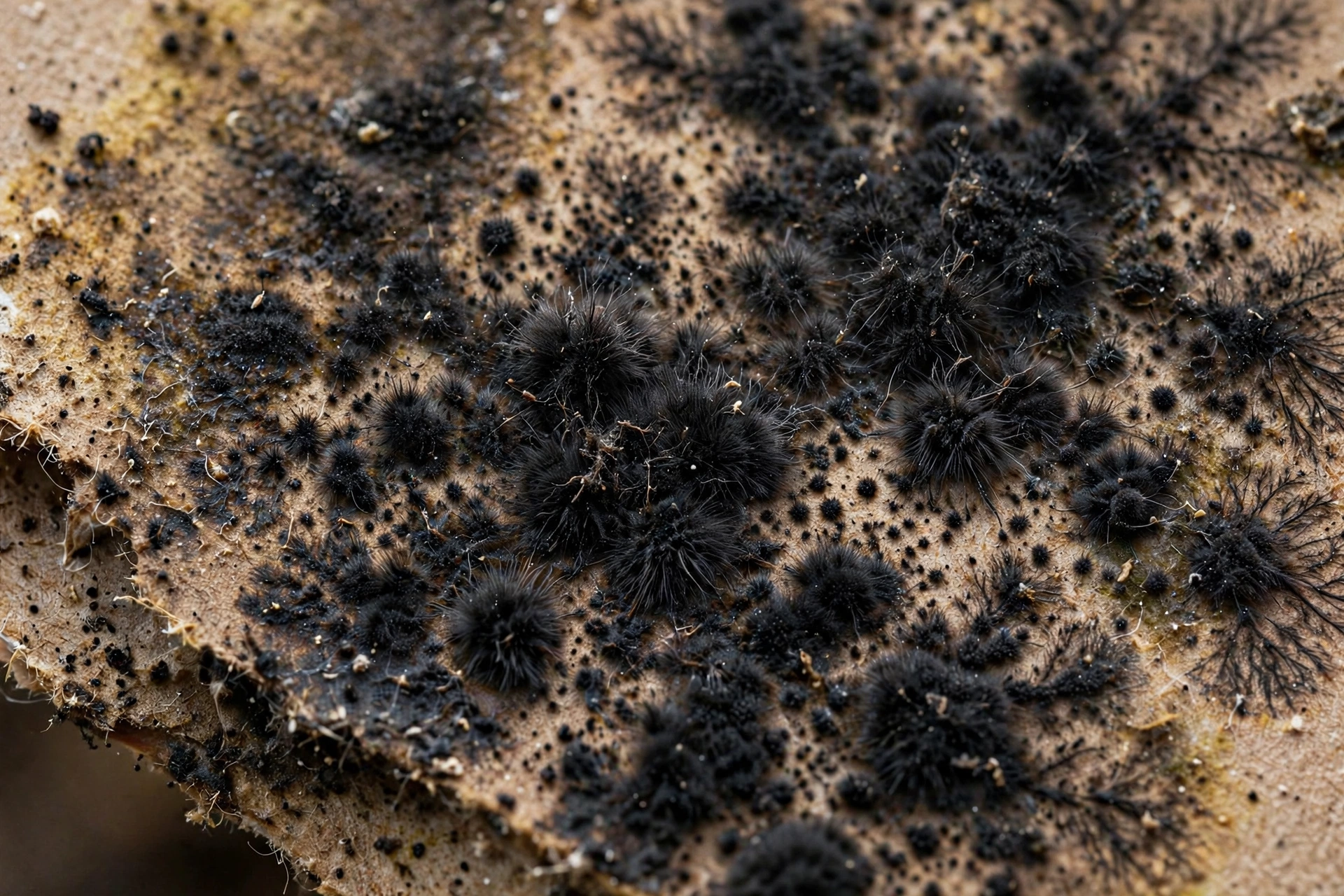
Mold behind drywall means mold is growing on the back side of your interior walls. Drywall has a paper facing on both sides. That paper is food for mold. When moisture gets inside the wall from a leak, condensation, or flooding, mold grows where you cannot see it.
This is common in Tulsa because of the climate. Hot, humid summers and strong spring storms push moisture into walls.
A slow plumbing leak, a roof leak, or even a badly sealed window can soak the inside of a wall. This can go on for months before anyone notices. That is how mold behind drywall Tulsa gets its start.
6 Hidden Signs of Mold Behind Drywall Tulsa
1. A Musty Smell That Will Not Go Away
This is the number one sign. Mold releases gases as it grows. Those gases smell musty, damp, or earthy. If one room always smells off, even after cleaning, mold behind the drywall may be the cause. Pay attention to smells near bathrooms, kitchens, and exterior walls.
2. Water Stains or Discoloration
Brown, yellow, or gray stains on walls or ceilings show that water moved through the wall. Where water goes, mold often follows. Even old stains matter. They show that moisture reached the drywall at some point.
3. Bubbling, Peeling, or Warping Walls
When drywall soaks up water, paint bubbles. Wallpaper peels. The wall surface may feel soft or look wavy. Baseboards may pull away from the wall. These changes mean moisture is active inside the wall right now.
4. Condensation and Damp Spots
Walls that feel damp or cold to the touch are a warning. Condensation on walls near windows, in bathrooms, or on exterior walls creates steady moisture. Mold needs only a little moisture to start growing.
5. Health Symptoms That Improve Outdoors
Mold may cause sneezing, coughing, itchy eyes, or headaches in some people. If these symptoms get worse at home and better when you leave, indoor mold could be the trigger. This is not proof of mold, but it is a reason to investigate.
6. A Recent Leak or Flood
Did a pipe leak? Did the roof drip? Did water get in during a storm? Any past water event can leave moisture inside walls. Mold can begin growing within 24 to 48 hours of a water event. If walls were not fully dried, mold may still be active months later.
When dealing with mold behind drywall tulsa, professional help makes the process faster and safer.
Mold Behind Drywall Tulsa: Why It Grows
Mold needs three things: moisture, food, and time. Drywall gives it food through its paper backing. Tulsa weather gives it moisture. Time does the rest. Common moisture sources include:
- Leaking pipes inside walls, especially under bathrooms and kitchens
- Roof leaks that drip down into wall cavities
- Poorly sealed windows and doors that let rain in
- Condensation on cold exterior walls in winter
- Flooding that soaked walls from the bottom up
- High indoor humidity with no ventilation
Small leaks cause the worst hidden mold. A burst pipe is obvious. A slow drip inside a wall can feed mold for a year before anyone sees a stain.
How Professionals Find Mold Behind Drywall
You cannot confirm hidden mold just by looking. Professionals use tools to find it without tearing open every wall. A mold inspection may include:
- Moisture meters. These detect damp spots inside walls without cutting them open.
- Infrared cameras. These show temperature differences that reveal wet areas behind drywall.
- Borescope cameras. A tiny camera goes through a small hole to see inside the wall.
- Air sampling. High spore counts in one room can point to a hidden source.
- Surface sampling. Swabs or tape lifts confirm whether a spot is really mold.
At EMI Mold Removal Tulsa OK, inspection focuses on finding both the mold and the moisture source. Fixing the mold without fixing the leak means the mold will return.
Sign Severity: What Your Symptoms May Mean
| Sign | Likely Severity | Recommended Action |
|---|---|---|
| Light musty smell, no visible damage | Low to moderate | Schedule an inspection soon |
| Water stains but walls feel dry | Moderate | Inspect and check moisture levels |
| Peeling paint or soft drywall | Moderate to high | Professional inspection needed |
| Active leak or recent flood | High | Call for emergency service now |
| Large visible mold on the wall surface | High | Professional removal recommended |
| Mold keeps coming back after cleaning | High | Hidden source likely, inspect inside walls |
Should You Open the Wall Yourself?
It is tempting to cut a hole and look. Be careful. Cutting into a moldy wall can release a cloud of spores into your home. If you must check, wear an N95 mask, gloves, and eye protection. Seal the room first. Keep the hole small.
A safer choice is to call a professional. Technicians know where to cut, how to contain spores, and how to test what they find. If the wall needs to be opened for removal anyway, they handle inspection and cleanup in one contained job.
Many Tulsa homeowners searching for mold behind drywall tulsa want to know what to expect.
How Mold Behind Drywall Is Removed
Once hidden mold is confirmed, removal follows a clear process. First, the work area is sealed with plastic sheeting and negative air pressure. This keeps spores from spreading. Next, the affected drywall is cut out and removed. Insulation behind it is usually removed too, since it traps mold.
The wall cavity is then cleaned and dried with HEPA vacuums and professional products. Fans and dehumidifiers bring moisture levels down. The moisture source, like a leaking pipe, is fixed. Finally, the area is checked to confirm it is clean and dry. Then new drywall can go up.
This is why DIY is risky for hidden mold. The job needs containment, proper removal, and drying. Without those steps, the mold spreads or returns. That is why mold behind drywall Tulsa is best left to trained professionals.
Preventing Mold Behind Drywall in Tulsa Homes
- Fix plumbing leaks fast. Check under sinks and behind toilets every few months.
- Keep indoor humidity between 30 and 50 percent.
- Run exhaust fans in bathrooms and kitchens.
- Seal windows and doors so rain stays outside.
- After any leak or flood, dry walls within 48 hours.
- Check your attic and roof each spring for damage.
Prevention is simple. It is mostly about keeping water out and air moving.
Helpful resources: For more information, see EPA guidelines on mold.
Conclusion
Mold behind drywall Tulsa: it hides, but it leaves clues. Watch for musty smells, water stains, peeling paint, and damp walls. Note symptoms that improve outdoors and any history of leaks.
Do not ignore these signs. Hidden mold grows worse with time, not better. For small surface spots, careful DIY cleaning is fine. For mold behind drywall Tulsa, professional inspection and removal is the safe choice.
EMI Mold Removal Tulsa OK is open 24 hours with 24/7 emergency service. Call (918) 268-5526 for a quote and get your walls checked by a trained team.