Mold testing North Tulsa homeowners rely on starts with a simple question: is there mold in my home, and how bad is it? If you smell a musty odor, see dark spots, or feel allergy symptoms at home, testing gives you facts instead of guesses. This guide covers six key facts about mold testing in North Tulsa, including the types of tests, what results mean, and what to do next.
What Is Mold Testing?
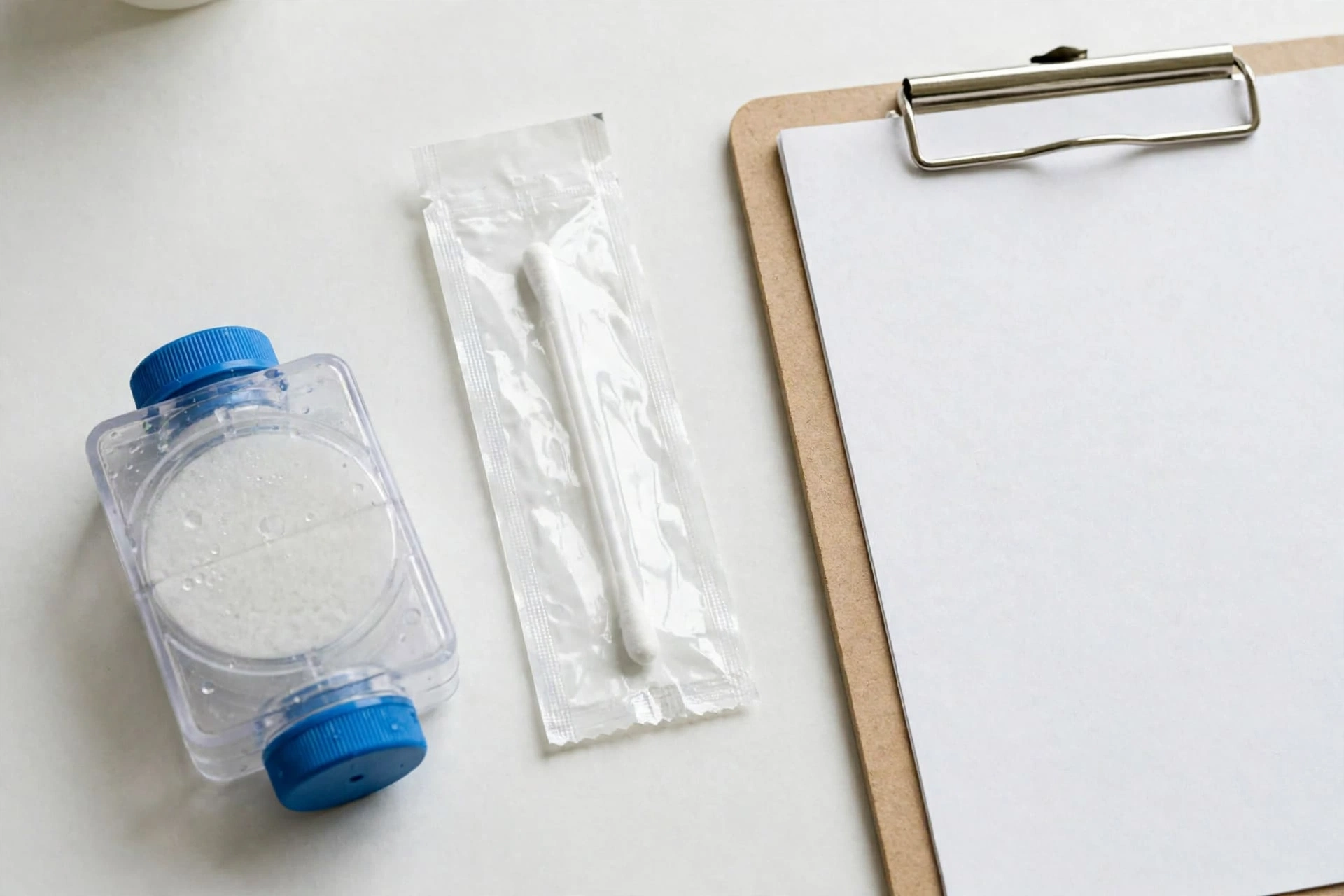
Mold testing means collecting air or surface samples from your home and having a lab analyze them. The lab identifies the types of mold present and measures how much is in the air compared to normal outdoor levels. Testing does not fix mold. It gives you information so you can make smart decisions about inspection, cleanup, and repairs.
In North Tulsa, testing is common in older homes near downtown, rental properties, and houses that have survived roof leaks or plumbing problems. Many homeowners test before buying a home, after water damage, or when someone in the family has ongoing allergy symptoms with no clear cause.
Mold Testing North Tulsa: 6 Key Facts
1. There Are Two Main Types of Tests
Air testing uses a pump to pull indoor air through a cassette that traps spores. The lab counts the spores and identifies the species. Surface testing uses a swab, tape lift, or bulk sample from a suspicious spot. Air tests show what you are breathing. Surface tests confirm what is growing on a specific material. Many jobs use both.
2. Outdoor Samples Matter as Context
A good tester also collects an outdoor air sample at the same time. This gives the lab a baseline. Some mold spores are normal in every home because they drift in from outside. The question is whether indoor levels are higher than outdoor levels, or whether the indoor types are different. Without that comparison, numbers alone mean little.
3. Testing Finds Hidden Mold
Not all mold is visible. Air testing can reveal elevated spore counts even when walls look clean. This is useful when you smell a musty odor but cannot find the source, or when a home had a past leak that was never properly dried. Testing points the inspector toward the right wall, room, or crawl space.
4. Not Every Situation Needs a Lab Test
Here is an honest fact many companies skip. If you can already see a large mold colony, you do not need a lab to tell you it is mold. Visible mold needs cleanup, not more paperwork. Testing is most valuable when mold is suspected but not visible, when you need to know the species for health reasons, or when you want proof that a cleanup worked.
5. DIY Test Kits Have Limits
Hardware store mold test kits usually involve leaving a petri dish open and mailing it to a lab. The problem is that every home, even a clean one, will grow something on that dish because mold spores are everywhere in the air. These kits often create worry without useful answers. Professional testing with calibrated air pumps and outdoor baselines gives far more reliable results.
6. Results Should Come With a Plan
A lab report full of Latin species names is not helpful on its own. Good mold testing in North Tulsa ends with a plain-English explanation: what was found, where the problem areas are, and what steps to take next. If a tester hands you a report and walks away, you paid for only half the service.
Air Testing vs Surface Testing: What Each One Tells You
| Feature | Air Testing | Surface Testing |
|---|---|---|
| What it measures | Spores floating in indoor air | Mold growing on a material |
| Best for | Hidden mold, health concerns | Confirming a visible spot |
| Needs outdoor baseline | Yes, for comparison | No |
| Identifies species | Yes | Yes |
| Shows location of growth | General area only | Exact spot |
| Useful after cleanup | Yes, verifies success | Yes, for treated areas |
When Should You Consider Mold Testing?
Consider scheduling mold testing in North Tulsa when one or more of these apply:
- You smell a musty or earthy odor but cannot see any mold.
- Someone in the home has ongoing sneezing, coughing, or congestion that improves when they leave the house.
- Your home had a leak, flood, or roof problem in the past, even if it looked dry afterward.
- You are buying a home and want to know about hidden moisture or mold before you commit.
- A previous mold cleanup was done and you want proof it worked.
What Happens After Testing?
After the lab results come back, the next step depends on what was found. If levels are normal, you get peace of mind and tips for keeping humidity low. If elevated mold is found, the usual path is a detailed inspection to locate the source, followed by professional remediation: containment, removal of affected materials, moisture repair, and drying.
One thing testing cannot do is set your budget by itself. The cost of any follow-up work depends on how much area is affected, which materials are involved, and what caused the moisture. For honest pricing on your specific situation, call and describe what you are dealing with. Prices are given by phone after we understand the job, never as a guess on a website.
Helpful resources: For more information, see EPA guidelines on mold.
Conclusion: Get Facts Before You Act
Mold testing in North Tulsa turns worry into clear information. The six facts above show what testing can and cannot do, so you spend money only where it helps. When mold is hidden, testing finds it. When it is already visible, skip the lab and go straight to cleanup.
For mold testing North Tulsa homeowners can trust, EMI Mold Removal Tulsa OK serves North Tulsa and the whole metro area with professional testing, inspection, and remediation. Our reports are clear, our advice is honest, and we never push tests you do not need. Call (918) 268-5526 today. We are open 24 hours with emergency service 24/7, and we explain every result in plain words you can act on.