When flames die down, a silent invader remains. Smoke Damage Restoration is not merely about wiping soot from walls; it is a race against chemical corrosion that threatens structural integrity and human health. Every minute of delay allows acidic residues to etch glass, tarnish metal, and penetrate porous materials permanently. This guide unpacks the science, the urgency, and the professional protocols required to reclaim a safe, breathable environment after a fire event.
Key Takeaways
- Speed is critical: Acidic soot begins etching surfaces within hours, not days.
- Air quality first: HEPA filtration and hydroxyl generators protect occupants during cleanup.
- Material science matters: Dry sponge cleaning precedes wet cleaning to prevent smearing.
- Hidden reservoirs: HVAC systems and insulation trap odor molecules requiring specialized treatment.
- Documentation wins claims: Photographic evidence and itemized inventories streamline insurance settlements.
The Invisible Threat: Understanding Combustion Byproducts
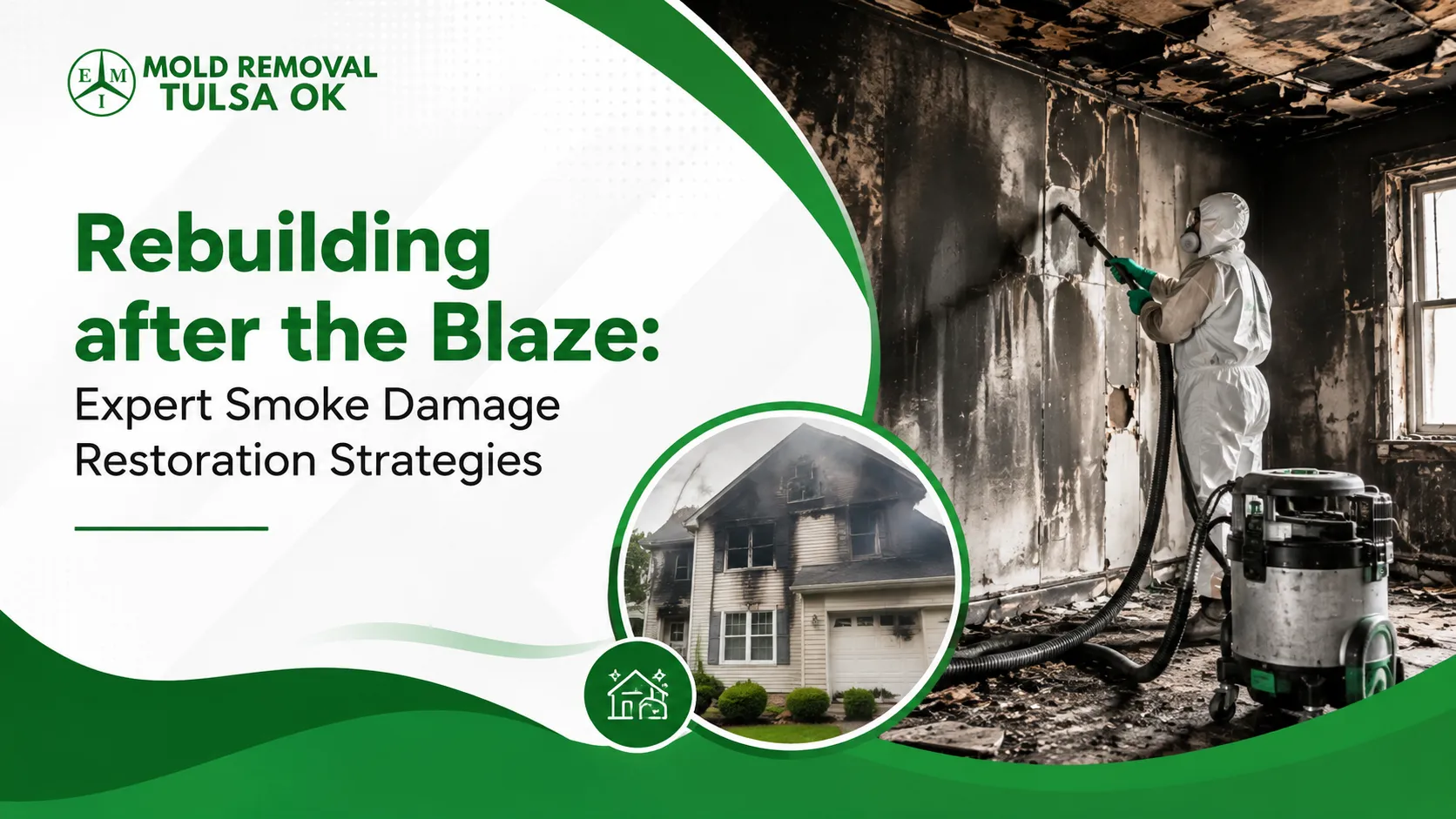
Fire produces a complex cocktail of particulates and gases. Consequently, the residue left behind varies wildly depending on what burned. Protein fires from kitchens leave a nearly invisible, pungent film that discolors paint over time. Conversely, synthetic materials like plastics create thick, black, smeary soot that adheres aggressively to vertical surfaces. Natural wood or paper fires generate a dry, powdery residue that vacuums easily but infiltrates deep into cavities. Therefore, identifying the fuel source dictates the entire remediation protocol.
Furthermore, smoke behaves like a gas under pressure. It seeks equilibrium by migrating to cooler areas and upper levels of a structure. As a result, damage often appears in rooms far from the ignition point. Closets, wall cavities, and attic spaces become reservoirs for odor-causing particles. Technicians must map this migration pattern using thermal imaging and chemical sponges before demolition begins. Otherwise, lingering contaminants guarantee future odor complaints.
Health Hazards Lurking in the Residue
Soot is not simply dirt; it is a carcinogenic mixture. Polycyclic aromatic hydrocarbons (PAHs), heavy metals, and dioxins bind to carbon particles. Consequently, disturbing these deposits without proper engineering controls aerosolizes toxins. Occupants exposed to untreated environments report respiratory irritation, headaches, and exacerbation of asthma. Children and immunocompromised individuals face the highest risk. Therefore, containment barriers and negative air pressure are non-negotiable safety standards on every project.
In addition, water used during firefighting creates a secondary hazard: mold. Moisture trapped behind baseboards or inside wall cavities activates dormant spores within 48 hours. Consequently, a dual remediation approach addressing both combustion byproducts and fungal growth is frequently necessary. Ignoring moisture readings guarantees a callback for microbial remediation within weeks.
Phase One: Emergency Mitigation and Stabilization
The first 24 hours determine the project scope. Board-up services secure the envelope against weather and vandalism. Simultaneously, roof tarping prevents water intrusion into the compromised structure. Meanwhile, industrial dehumidifiers and air movers target standing water and elevated humidity. This stabilization halts the chemical clock ticking on metal corrosion and wood swelling. Consequently, contents can be triaged for packing out versus on-site cleaning.
Furthermore, HVAC systems must be shut down immediately. Running the blower circulates soot through ductwork, contaminating the entire ventilation network. Technicians seal registers and returns with polyethylene sheeting. Subsequently, the system undergoes professional duct cleaning using negative-air HEPA vacuuming and antimicrobial fogging. Skipping this step recontaminates cleaned living spaces every time the thermostat clicks on.
Phase Two: Contents Processing and Inventory
Personal property divides into three categories: salvageable, questionable, and total loss. Textiles, electronics, and documents require specialized handling. For instance, ultrasonic cleaning cavitates soot from intricate jewelry and blinds without abrasion. Conversely, electronics demand corrosion-inhibiting vapor chambers before diagnostic testing. Importantly, every item receives a barcode label and photographic documentation. This chain-of-custody record satisfies adjusters and accelerates claim resolution.
Moreover, ozone chambers and hydroxyl generators treat odors in soft goods. Ozone oxidizes odor molecules effectively but damages rubber, elastic, and certain dyes. Therefore, hydroxyl technology offers a safer alternative for occupied spaces and sensitive materials. The choice depends on project timeline, occupancy status, and material composition. Consequently, a skilled project manager selects the modality per batch, not per project.
Phase Three: Structural Cleaning Methodologies
Dry cleaning sponges (chemical sponges) are the primary tool for initial soot removal. These vulcanized rubber sponges lift dry residue without smearing. Technicians work from ceiling to floor, using a gentle dabbing motion. Aggressive wiping drives particles deeper into pores. Once dry cleaning exhausts its efficacy, wet cleaning follows. Alkaline detergents neutralize acidic soot on hard, non-porous surfaces. However, porous materials like unfinished wood or drywall may require sealing rather than cleaning.
Additionally, soda blasting and dry ice blasting serve heavy char removal on structural framing. Soda blasting uses sodium bicarbonate to ablate carbon without damaging substrate. Dry ice sublimates on impact, leaving zero secondary waste. Both methods prepare wood for encapsulation. Encapsulants lock down residual staining and odor with a vapor-permeable membrane. This step is crucial before new insulation and drywall installation. Consequently, the structure passes clearance testing for volatile organic compounds (VOCs).
Advanced Odor Neutralization Technologies
Masking agents merely perfume the air. True neutralization requires molecular alteration. Thermal fogging replicates the fire’s heat, opening pores in materials to penetrate with a deodorizing solvent. This mimics the original penetration physics. Conversely, hydroxyl generators use UV light to create hydroxyl radicals that oxidize odor molecules in the air and on surfaces. They operate safely in occupied areas. Therefore, a combination approach often yields the best result: thermal fogging for structural cavities, hydroxyl for living spaces.
Furthermore, VaporShark systems release a dry vapor of essential oils and neutralizing compounds. This technology treats vehicles, boats, and sensitive electronics where liquid application is impossible. The versatility of modern odor control allows technicians to tailor the solution to the specific contamination profile. Consequently, the “smoke smell” becomes a solvable engineering problem rather than a permanent stigma.
Navigating the Insurance Claim Landscape
Policy language dictates coverage for “sudden and accidental” loss. However, insurers often dispute cleaning versus replacement costs. A detailed scope of loss, written in Xactimate or Symbility format, speaks the adjuster’s language. Line items for “HEPA vacuuming,” “antimicrobial application,” and “content manipulation” justify the invoice. Moreover, pre-existing condition exclusions require careful documentation. Photographs of clean corners inside cabinets prove the soot originated from the covered peril.
Consequently, hiring a restoration firm fluent in insurance negotiation protects the policyholder. Public adjusters or restoration estimators advocate for code upgrade coverage, matching undamaged materials, and additional living expenses (ALE). Without professional representation, homeowners frequently accept lowball settlements that leave gaps in the restoration budget. Therefore, the partnership between contractor and claim professional is as vital as the cleaning itself.
Preventing Cross-Contamination During Reconstruction
Reconstruction crews often undo remediation work. Dust from drywall sanding settles on cleaned studs. Foot traffic tracks particulates across sealed floors. Consequently, a “clean build” protocol separates phases physically and temporally. Remediation completes and passes clearance before framing begins. Temporary zipper doors isolate work zones. Negative air machines run continuously until final cleaning. This discipline prevents the expensive re-cleaning of finished spaces.
In addition, material selection influences long-term air quality. Low-VOC paints, formaldehyde-free insulation, and sealed concrete floors reduce the chemical load in the rebuilt home. Homeowners increasingly demand healthy building standards post-loss. Consequently, restoration contractors who offer green rebuild options differentiate themselves in a competitive market. The fire becomes an opportunity to upgrade the indoor environment.
Special Considerations for Commercial Properties
Business interruption drives commercial restoration timelines. Inventory loss, data recovery, and regulatory compliance add layers of complexity. Server rooms require cleanroom-grade particle counts before equipment restart. Consequently, critical cleaning of electronics follows ISO 14644 standards. Healthcare facilities face Joint Commission scrutiny; schools answer to EPA AHERA regulations. Every industry vertical demands a customized protocol.
Furthermore, large-loss project management employs the Incident Command System (ICS). Safety officers, logistics chiefs, and planning sections coordinate hundreds of technicians. Daily stand-up meetings track progress against the critical path. Consequently, the project finishes on schedule, minimizing revenue loss. The scale demands software platforms for real-time moisture mapping, equipment tracking, and labor allocation. Technology manages the chaos.
Choosing the Right Restoration Partner
Certifications signal baseline competence. The Institute of Inspection, Cleaning and Restoration Certification (IICRC) sets the global standard. Look for Fire and Smoke Restoration Technician (FSRT) and Odor Control Technician (OCT) designations. Furthermore, verify licensing, bonding, and pollution liability insurance. General liability excludes pollution events; a separate policy covers environmental liability. Without it, the property owner bears the risk of improper disposal.
Additionally, request references from similar loss types. A kitchen protein fire differs vastly from a warehouse plastic fire. Experience with the specific fuel source predicts success. Ask about their subcontractor vetting process. Many firms subcontract duct cleaning, textile restoration, and reconstruction. The prime contractor remains responsible for subcontractor performance. Consequently, a tight vendor qualification program protects the project outcome.
Long-Term Maintenance After Restoration
Restored structures benefit from ongoing monitoring. HVAC filters should upgrade to MERV 13 or higher for the first year. These capture residual ultrafine particles. Portable air purifiers with activated carbon beds adsorb lingering VOCs. Homeowners should watch for “ghosting”—dark streaks on walls marking stud locations—indicating thermal bridging and potential condensation. This signals insulation gaps missed during rebuild.
Moreover, annual duct inspections catch recontamination early. Odor recurrence often traces to a missed cavity or a compromised seal. A maintenance contract with the restoration firm provides peace of mind. They possess the baseline data and institutional knowledge of the structure. Consequently, small issues resolve before they become claims. The relationship extends beyond the certificate of completion.
Frequently Asked Questions
How quickly must smoke damage restoration begin?
Restoration should begin within 24 to 48 hours. Acidic soot residues start etching glass, tarnishing metals, and yellowing plastics within hours. Furthermore, moisture from firefighting efforts initiates mold growth within 48 hours. Immediate mitigation stabilizes the environment and dramatically reduces replacement costs.
Can I clean smoke damage myself with household products?
DIY cleaning often worsens damage. Wet wiping dry soot smears particles deeper into pores, making professional removal difficult or impossible. Additionally, household cleaners lack the alkalinity to neutralize acidic residues. Without HEPA filtration and PPE, you risk inhaling carcinogenic particulates. Professional assessment is strongly advised before any cleaning attempt.
Does homeowners insurance cover smoke damage restoration?
Most standard policies cover sudden and accidental smoke damage, even from a neighbor’s fire. Coverage typically includes structure, contents, and additional living expenses. However, policies vary on cleaning versus replacement thresholds and code upgrade endorsements. A restoration contractor experienced in insurance scoping ensures you receive full entitled benefits.
How long does the smoke odor removal process take?
Odor removal timelines range from three days for minor protein fires to several weeks for heavy structural penetration. The process involves source removal, cleaning, sealing, and gas-phase oxidation (hydroxyl or ozone). Occupancy status dictates technology choice; hydroxyl generators allow occupancy, while ozone requires vacancy. Clearance testing confirms success.
What certifications should a smoke restoration company hold?
Look for IICRC Fire and Smoke Restoration Technician (FSRT) and Odor Control Technician (OCT) certifications. The firm should also carry a state contractor’s license, pollution liability insurance, and HAZWOPER training if asbestos or lead is suspected. Membership in professional associations like RIA or IICRC indicates commitment to continuing education and ethical standards.
Don’t Let Smoke Write Your Property’s Future
Every hour of delay embeds contamination deeper. Our certified team deploys within hours, not days, armed with hydroxyl technology, thermal fogging, and insurance-savvy project management.
Helpful resources: For more information, see EPA guidelines on mold and FEMA disaster recovery resources.