
(918) 268-5526. Open 24 hours.”>
When to call a professional for mold comes down to three things: size, location, and cause. If the mold covers more than about 10 square feet, keeps coming back after you clean it, hides inside walls or air ducts, or appeared after flooding or a plumbing leak, it is time to call trained experts. Small spots on bathroom tile are often safe to clean yourself with soap and water. But larger or hidden mold problems need professional mold remediation to remove the growth and fix the moisture feeding it. EMI Mold Removal Tulsa OK helps Tulsa homeowners find and remove mold safely. We are open 24 hours, and our emergency service runs 24/7.
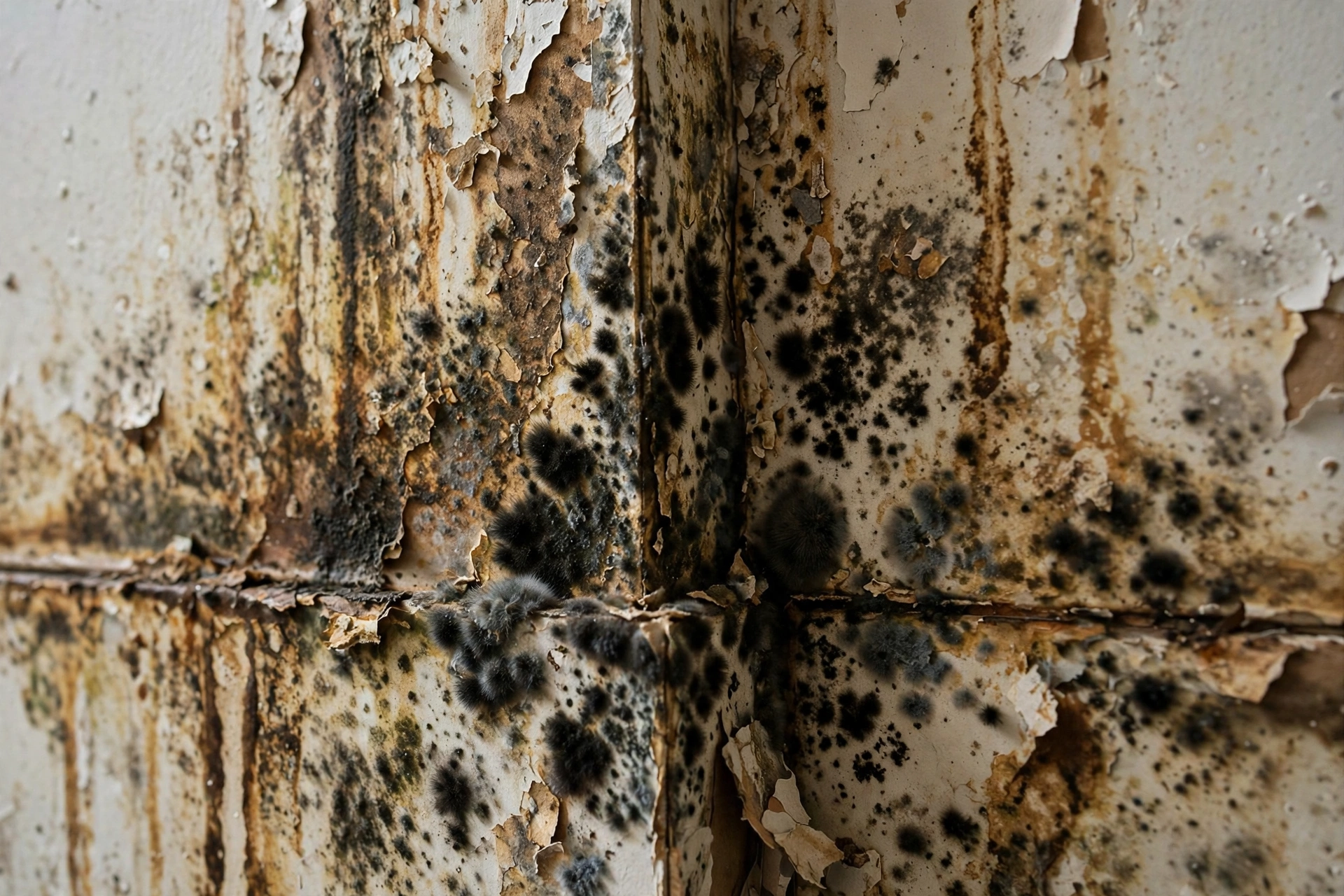
What Is Professional Mold Remediation?
Mold remediation is the process of finding mold growth, containing it so spores do not spread, removing contaminated materials, cleaning the area, and fixing the moisture problem that caused it. Remediation is different from simple cleaning. Cleaning wipes the visible surface. Remediation solves the source so the mold does not return. A professional crew uses containment barriers, HEPA air filtration, moisture meters, and drying equipment that most homeowners do not have.
When to Call a Professional for Mold: The 7 Signs
If any of the following sound familiar, stop scrubbing and call a pro. These are the situations where expert help is the safer and smarter choice.
1. The Mold Covers More Than 10 Square Feet
The U.S. Environmental Protection Agency suggests that moldy areas larger than about 10 square feet, roughly a 3 by 3 foot patch, are usually a job for professionals. Large areas release far more spores when disturbed. Pros set up containment barriers and use air filtration to keep spores from spreading through the rest of your home while they work.
2. The Mold Keeps Coming Back
If you cleaned the same spot twice and the mold returned, the moisture source is still active. Common hidden sources include slow pipe leaks, roof leaks, condensation inside walls, and damp crawl spaces. A professional finds the source with moisture meters instead of guessing, which is the only way to stop the cycle.
3. You Smell Mold But Cannot See It
A musty or earthy smell with no visible mold usually means growth is hidden behind drywall, under flooring, or above ceiling tiles. Hidden mold can be worse than visible mold because it grows unchecked. Professionals use inspection tools to locate hidden colonies without tearing your house apart.
4. Mold Is Growing Inside Walls, Floors, or Ceilings
When mold grows inside building materials, surface cleaning cannot reach it. Drywall, insulation, and carpet padding that stay damp often must be removed and replaced. This work needs containment so millions of spores do not fill the room during removal. It also needs proper drying before new materials go in.
5. Mold Is in Your HVAC System or Air Ducts
Mold in air ducts or on HVAC coils can spread spores to every room each time the system runs. Cleaning ducts around active mold without containment can make the problem worse by pushing spores deeper into the system. Let trained technicians handle HVAC-related mold with the right equipment and safety steps.
6. Your Home Had Flooding or a Sewage Backup
Floodwater and sewage carry bacteria along with serious mold risk. Porous materials that soaked up contaminated water usually must be removed rather than cleaned. This is not a DIY job. Professionals follow safety steps for contaminated water damage, including protective gear, proper disposal, and thorough drying.
7. Someone in the Home Has Health Concerns
Mold exposure may cause allergy symptoms, coughing, or irritated eyes in sensitive people. If anyone in your household has asthma, allergies, or a weakened immune system, do not disturb large mold areas yourself. Call a professional who can work with proper protective equipment and keep the rest of the home safe during the job.
When Is DIY Mold Cleanup Reasonable?
A small patch of surface mold, smaller than 10 square feet, on a hard non-porous surface like bathroom tile, a glass shower door, or a metal window frame is often fine to clean yourself. Use detergent and water, scrub the area, rinse, and dry it fully. Wear rubber gloves, eye protection, and an N95 mask. Open a window or run an exhaust fan for ventilation while you work.
The key step most people skip is drying. Mold needs moisture to grow, so the area must dry completely within 24 to 48 hours. Also fix the moisture source. A steamy bathroom with no exhaust fan will grow mold again no matter how well you scrub. Do not attempt DIY if the mold is on drywall, inside walls, in air ducts, larger than 10 square feet, or the result of flooding or sewage.
What Happens During a Professional Mold Remediation Visit?
Knowing the process takes the mystery out of calling for help. Here is what a typical professional visit looks like, step by step.
- Inspection. The technician finds visible mold and checks moisture levels inside walls, floors, and ceilings with meters and inspection tools.
- Containment. Plastic barriers and negative air pressure keep spores inside the work area so they do not drift into clean rooms.
- Air filtration. HEPA air scrubbers capture airborne spores during the work.
- Removal. Damp drywall, insulation, or carpet that cannot be cleaned is cut out, bagged, and removed safely.
- Cleaning. Remaining hard surfaces are scrubbed with detergent and treated with antimicrobial products.
- Drying. Dehumidifiers and air movers dry the structure so moisture levels return to normal.
- Prevention advice. You get clear guidance on fixing leaks, improving ventilation, and controlling humidity so mold does not return.
DIY vs Professional Mold Removal: A Quick Comparison
| Factor | DIY Cleanup | Professional Remediation |
|---|---|---|
| Best for | Small surface patches under 10 square feet on tile or glass | Large, hidden, or recurring mold, HVAC mold, flood damage |
| Finding hidden mold | Not possible without tools | Moisture meters and inspection equipment |
| Containment | Usually none | Plastic barriers and negative air pressure |
| Air filtration | Open windows and fans | HEPA air scrubbers |
| Removing damaged materials | Limited and risky | Safe removal, bagging, and disposal |
| Fixing the moisture source | Up to you to figure out | Source identified during inspection |
| Safety gear | Basic gloves and mask | Full protective equipment and training |
How to Prepare Before the Pros Arrive
- Note where you see mold and where you smell it, even if you see nothing there.
- Write down any leaks, floods, or roof problems and when they happened.
- Do not disturb large mold areas. Scrubbing or tearing into them releases spores.
- Keep children and pets away from the affected area until the work is done.
- Clear a path to the area if you can do so safely, so technicians can bring in equipment.
- Prepare questions about the process, timeline, and what you can do to prevent regrowth.
Key Takeaways
- Call a professional when mold is large, hidden, recurring, in your HVAC, or caused by flooding or sewage.
- DIY is reasonable only for small surface patches on hard, non-porous materials, with gloves, a mask, and full drying.
- Recurring mold means the moisture source is still active. Finding and fixing it is the real solution.
- Professional remediation includes inspection, containment, HEPA filtration, removal, cleaning, and drying.
Knowing when to call a professional for mold protects both your home and your health. Large patches, hidden growth, HVAC mold, and flood-related mold all need trained experts with proper containment and drying equipment. Small surface spots can be a DIY job, but anything bigger or recurring deserves a professional look. If you notice the signs above, do not wait. Mold spreads as long as moisture remains. Call EMI Mold Removal Tulsa OK at (918) 268-5526. We are open 24 hours, and our emergency service is available 24/7.
Helpful resources: For more information, see EPA guidelines on mold.